






Welcome to The Hive Experience, where nurses come to recharge, reconnect, and reignite their passion.
We specialise in immersive retreats and professional events designed exclusively for nurses and midwives.
Whether you're seeking rest, reflection, or career rejuvenation, we create spaces that nourish your wellbeing and elevate your professional journey.
As the sister company to The Hive Nursing Development, we combine decades of clinical leadership, mentoring expertise, and a deep love for the profession to deliver unforgettable, CPD-accredited experiences with purpose.
Burnout prevention
Career clarity
Reflective wellness
CPD hours
Join a movement that celebrates, supports, and uplifts the heart of healthcare, you.

What we offer

Career Clarity
Gain fresh perspective, mentorship, and guided activities to help you reflect on your goals, map your next steps, and leave with a personalised plan to grow your nursing career with purpose.

Burnout Prevention
Our events are designed to help you pause, reset, and reconnect with yourself — reducing stress and providing practical strategies to prevent burnout and build sustainable wellbeing in your nursing career.

CPD Hours
All of our retreats and events are CPD-recognised, giving you the opportunity to invest in your personal and professional growth while meeting AHPRA requirements.

Presented by Lisa Lucas
Founder & CEO @ The Hive Nursing Development
Lisa is an award-winning nurse leader and the visionary behind The Hive Experience and The Hive Development.
With over 20 years of experience across emergency, surgical, oncology, cardiology, and retrieval services, Lisa brings deep insight and compassion to her work.
A passionate mentor and former Nursing Executive level leader, Lisa created Recharge & Refocus to help nurses align their careers with purpose, prevent burnout, and step into leadership with clarity and confidence.
Our Retreats
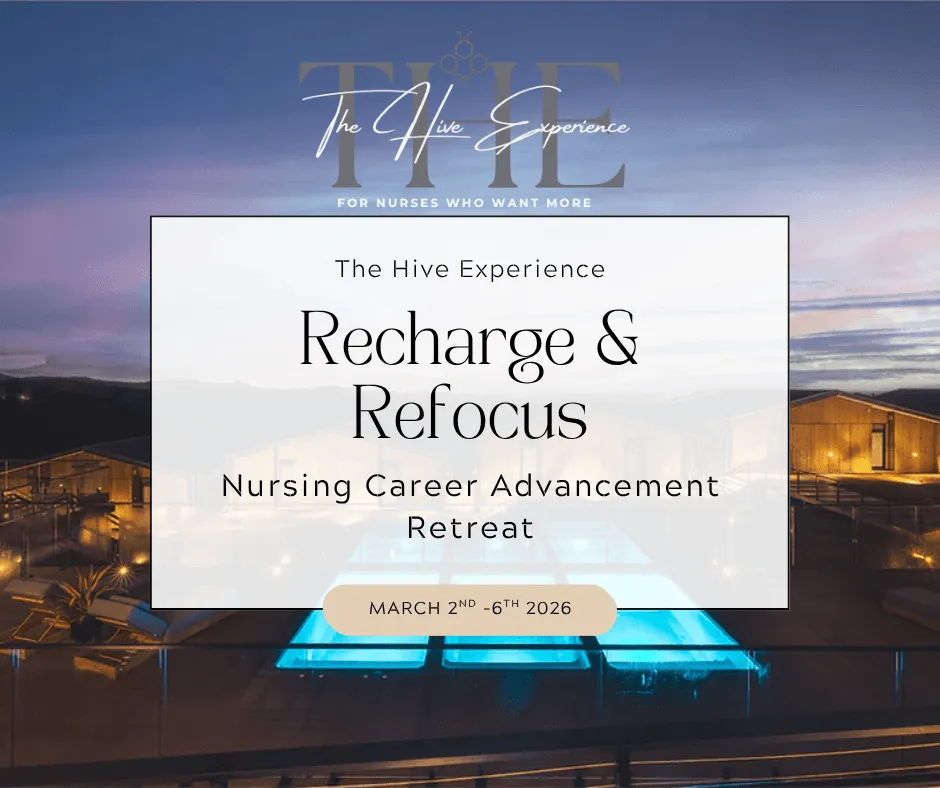
Reset & Refocus - Tallebudgerra QLD
An all-inclusive retreat for nurses and midwives seeking rest, clarity and career growth.
Includes:
5 days / 4 nights luxury accommodation at Eco Retreat, Tallebudgera
All meals crafted by an on-site executive chef (incl. dietary needs)
Full retreat program facilitated by award-winning nurse leaders
Personalised career planning & recruitment preparation workshops
Reflective wellness sessions including:
Guided yoga
Hot & cold plunge therapy
Sauna access
Scenic nature walks
Access to a fully equipped gym
24 CPD hours (AHPRA compliant)
Access to exclusive career resources & take-home workbook
Networking dinners and guest speaker sessions
Retreat gift pack
Follow-up group coaching call
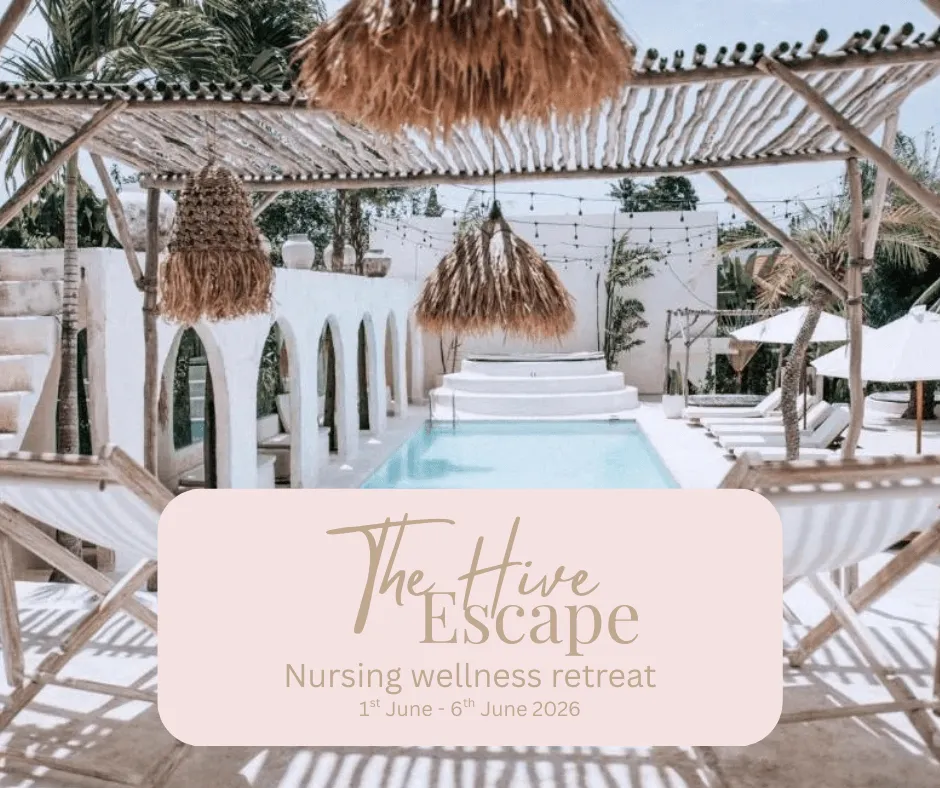
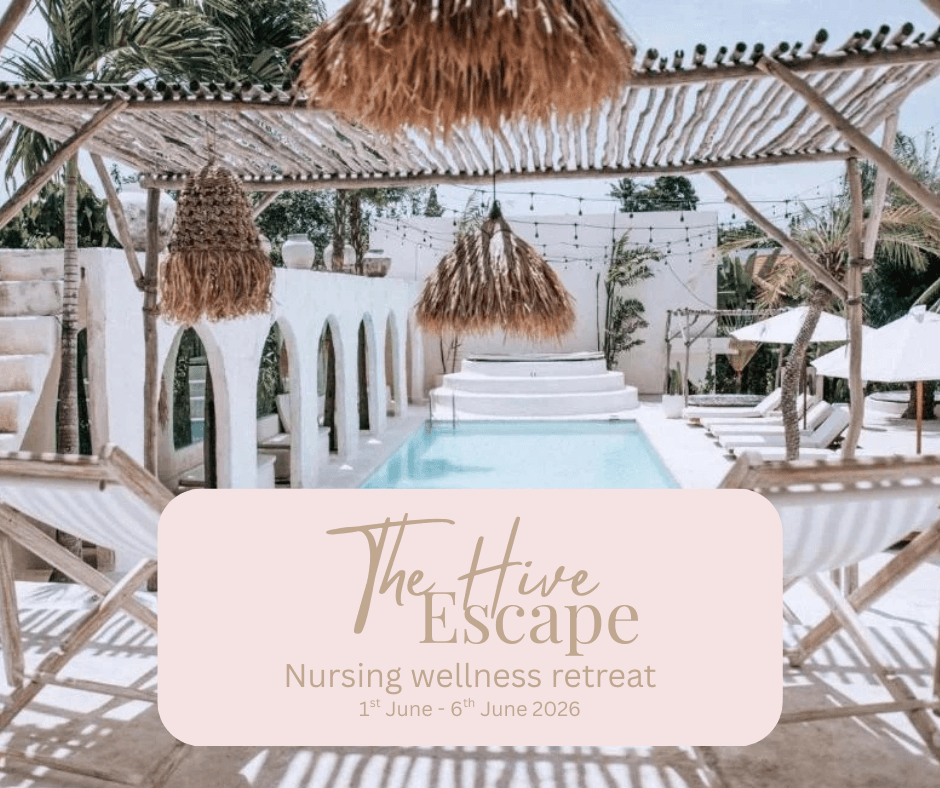
The Hive Escape - Bali
An all-inclusive luxury retreat for nurses and midwives seeking deep rest, emotional recovery and sustainable wellbeing.
5 nights luxury accommodation at Hotel Sages, Bali
Daily yoga and mindfulness sessions
A Bali Spa treatment to relax
Nurse-led wellbeing workshops
Daily nourishing meals (all dietary needs catered)
Cultural immersion experiences
Private airport transfers and on-site coordination
The Hive Cambodia
An all-inclusive Leadership immersive experience that combines humanitarian work with leadership development.
9 nights 5 star luxury accommodation
Volunteer house build with our partners Global Transition
Foundation, to build a house for local families
International flights
Award winning Nurse leader facilitated workshops / immersive sessions
Daily breakfast
Cultural immersion experiences
Private airport transfers

Other events from The Hive Experience...
Career Alignment & Advancement Program
Build clarity, confidence, and a grounded path forward.
2nd March - 5th March (9am - 5pm daily)
What’s Included:
3 full days of guided career clarity and alignment work
Values, identity, and decision-making frameworks
Clear differentiation between burnout and misalignment
Exploration of realistic growth and advancement pathways
Confidence built through evidence, not hype
Practical self-advocacy and boundary-setting tools
A grounded 90-day career action plan
Morning tea, lunch and afternoon tea included
24hrs of CPD with certificate of evidence
Highlights From The Blog
Developing An Effective Education Plan for Your Clinical Unit
As a Nurse Educator, one of the most impactful ways to enhance patient care and staff competency is through a well-structured clinical education plan.
A strong education plan ensures that nurses and healthcare professionals stay up to date with best practices and continuously enhance their skills.
This not only improves patient outcomes but also fosters a culture of lifelong learning within the clinical unit. Here’s a step-by-step guide to developing an effective education plan for your clinical unit.
Step 1: Conduct a Needs Assessment
-
**Surveys and feedback from staff
-
**Performance evaluations and competency assessments
-
**Incident reports and quality improvement data.
-
**Regulatory and accreditation requirements

- **New technology, procedures, or policy changes
Step 2: Define Learning Objectives
Based on the needs assessment, set clear and measurable learning objectives. These objectives should be SMART (Specific, Measurable, Achievable, Relevant, and Time-bound) and align with both organizational goals and patient care priorities.
Step 3: Choose Appropriate Teaching Methods
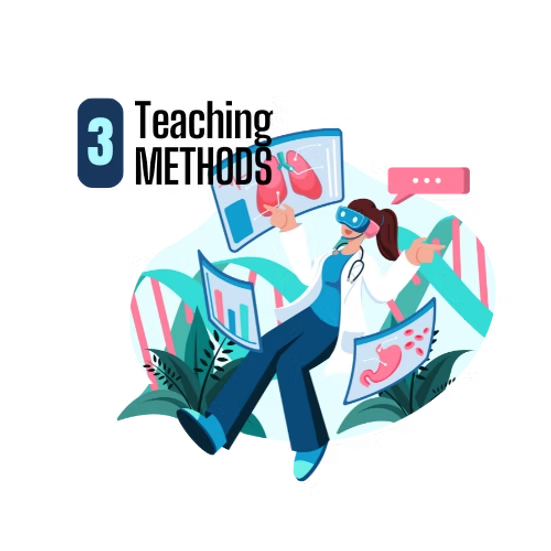
Different topics require different instructional approaches.
The choice of method should be guided by the complexity of the skill, the learning preferences of staff, and the available resources.
Consider incorporating a mix of the following:
-
**Hands-on training and simulations for procedural skills
-
**Online modules and e-learning for flexible, self-paced learning
-
**Case studies and scenario-based learning to enhance critical thinking
-
**Mentorship and preceptorship programs for on-the-job training
-
**Interdisciplinary workshops and team-based learning for collaborative care improvement
Step 4: Develop Educational Content and Resources
Ensure your educational materials are evidence-based, up to date, and accessible. Use resources such as:
-
**Clinical guidelines and policies
-
**Research articles and best practice recommendations
-
**Learning management systems (LMS) for digital access
-
**Expert guest speakers and professional development courses
Step 5: Implement the Education Plan
Gaining staff buy-in and engagement is crucial to the successful implementation of an education plan.
Clearly communicating the benefits and addressing concerns early on will help foster enthusiasm and participation. Roll out the education program with clear communication.
Establish:

-
**A schedule for training sessions
-
**Expectations for participation and completion
-
**Support systems, such as coaching or office hours for questions
-
**Budget considerations, including costs of backfilling clinical staff attending workshops, consumables / teaching materials costs, external provider costs
-
**Optimal class sizes and participant limits per session to balance cost efficiency and effectiveness
Step 6: Evaluate Effectiveness and Adjust as Needed
Continuous assessment is key to ensuring the education plan meets its objectives. Utilize:
-
**Pre- and post-tests to measure knowledge retention
-
**Direct observation and competency checklists
-
**Staff feedback and engagement levels
-
**Patient outcomes and quality indicators
-
**Financial review to assess return on investment (ROI), including training costs versus improvements in patient care and efficiency
Step 7: Foster a Culture of Continuous Learning

An effective education plan is not a one-time initiative but an ongoing effort.
Fostering a culture of continuous learning not only improves patient care but also enhances staff retention and job satisfaction, as employees feel valued and supported in their professional growth.
Encourage:
-
**Leadership support for professional development
-
**Peer-to-peer learning and knowledge sharing
-
**Recognition and incentives for educational achievements
-
**Cost-effective learning strategies, such as shared resources, internal training, and partnerships with educational institutions
Conclusion
Developing an education plan for your clinical unit is a strategic investment in both staff development and patient care.
By identifying needs, setting clear objectives, implementing diverse teaching methods, and continuously evaluating progress, you can create a dynamic learning environment that empowers nurses and enhances overall healthcare quality.
By prioritizing education, clinical leaders can ensure their teams are well-prepared to meet the evolving challenges of modern healthcare. Investing in continuous learning not only enhances patient care and staff competency but also strengthens the overall resilience of the healthcare workforce.
Take the first step today and create a culture where knowledge and growth drive excellence in clinical practice.
Start building your education plan today and make learning a fundamental part of your unit’s culture!



The Hive Nursing Development © 2026 | About Us | Contact Us | Privacy Policy | Terms & Conditions