





Nurses Growing Nurses
At The Hive Nursing Development, we’re passionate about nurturing the whole nurse and midwife. From job applications and career transitions to building strong leadership skills and sustaining wellbeing, we’ve walked the path and now walk it alongside others.
With over 40 years’ combined experience and a deep understanding of the healthcare system, we’re here to make sure no nurse or midwife is left to figure it all out alone.
With the increasing rates of burnout, workforce shortages, and leadership gaps in nursing, professional development and support services for nurses is more critical than ever.
At THND we empower nurses and midwives through targeted mentoring, leadership training and wellbeing initiatives helping nurses and midwives build their confidence, and lead with purpose to remain in the profession long-term.




Meet The Team

Lisa Lucas
Chief Executive Officer
Global Mentor | International Speaker
Award winning Nursing Leader


Lisa Lucas is a multi-award-winning Nursing leader with over 20 years of experience across specialties including Oncology, Surgical, Cardiology, Retrieval Services, and Emergency Nursing.
With 16 years spent in major emergency departments, she has held senior leadership roles such as Nursing Director, Nurse Unit Manager, Clinical Nurse Consultant, and Nurse Educator.
Recognised for her commitment to the profession, Lisa was awarded Nurse of the Year in 2020 (Year of the Nurse and Midwife), Nursing Director of the Year in 2023, and nominated for Nursing Leader of the Year in 2024.
Coming from a family of nurses spanning three generations, Lisa is passionate about mentoring and professional growth. Her dedication to developing future nurse leaders inspired her to co-found The Hive Development, expanding her impact beyond her immediate team.

Mick Lucas
Chief Operating Officer
Award winning Project Manager | Entrepreneur | Leadership expert
Mick Lucas is a multi award winning leader and project manager with extensive experience in management and leadership and a proven ability to oversee complex operations, guide teams, and build stable, high-functioning organisations.
In addition to his formal leadership background, Mick brings a deep, lived understanding of the nursing profession. Having supported a nurse leader and healthcare executive partner for many years, he has firsthand insight into the pressures, demands, and personal toll that nursing and leadership roles can carry. This perspective informs his approach to building structures that genuinely support nurses, no just professionally, but sustainably.
His leadership ensures that The Hive’s programs are not only impactful, but realistic, ethical, and aligned with the real-world demands of healthcare.
Our Mentors
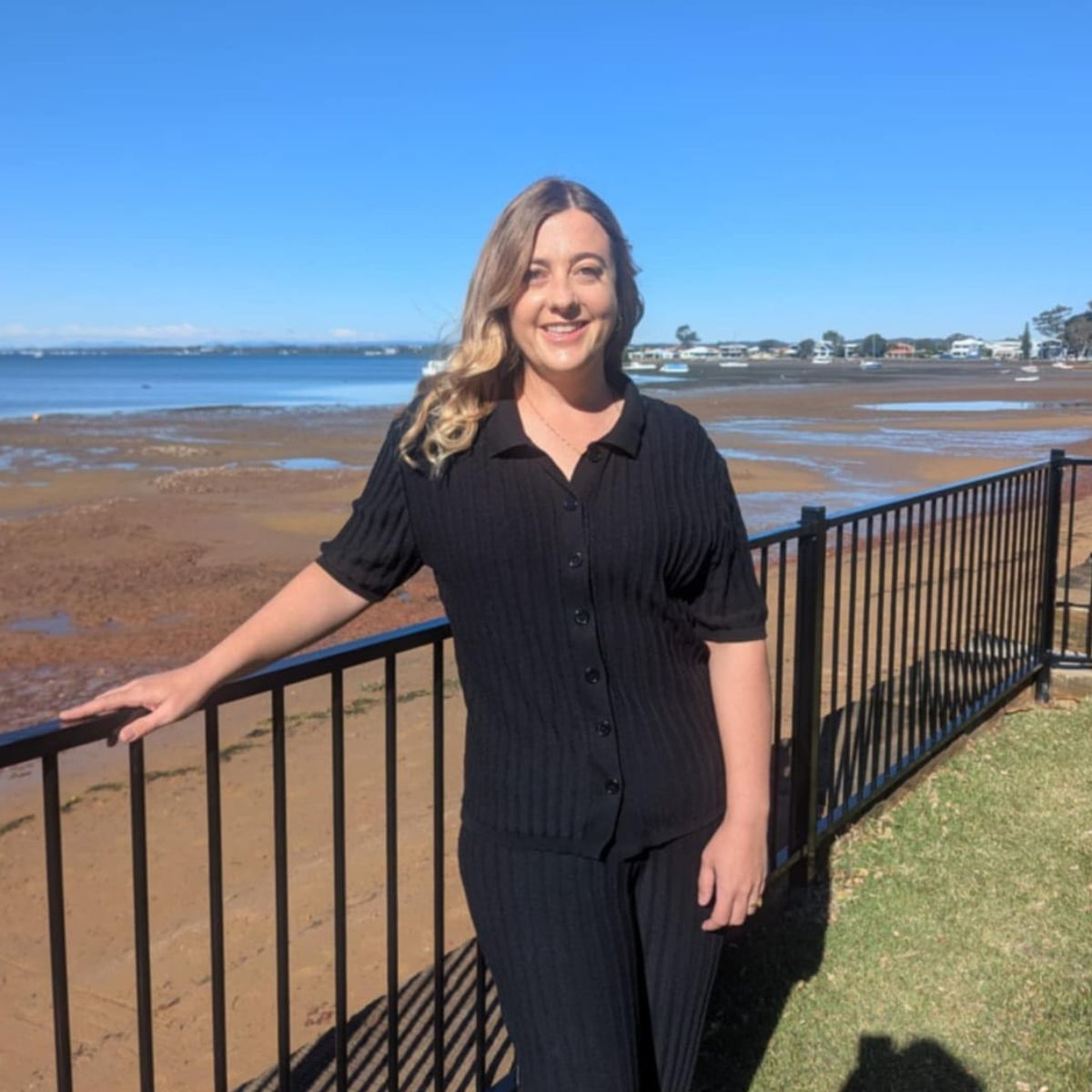
Kirri de Kruijf
Mentor
Emergency Nurse Educator
Kirri de Kruijf began her nursing career over 12 years ago and has spent the past six years in senior leadership roles. Kirri is currently an Emergency Nurse Educator and holds a Master’s in Advanced Practice Nursing, a Graduate Certificate of Health Clinical Education and a Certificate IV in Training and Assessment.
Her passion lies in nursing excellence, education, and workforce development, with extensive experience in recruitment processes, including serving on interview panels and leading the design of structured interview questions to ensure fair and evidence-based selection. She strives to create environments where nurses feel supported to grow and deliver exceptional care, translating evidence into practice.
Away from work, Kirri is a proud mother of two. Her journey has included navigating profound life experiences that have deepened her resilience and empathy. She enjoys traveling and taking on big projects (currently renovating her third home), thriving on opportunities that push her to learn and adapt.
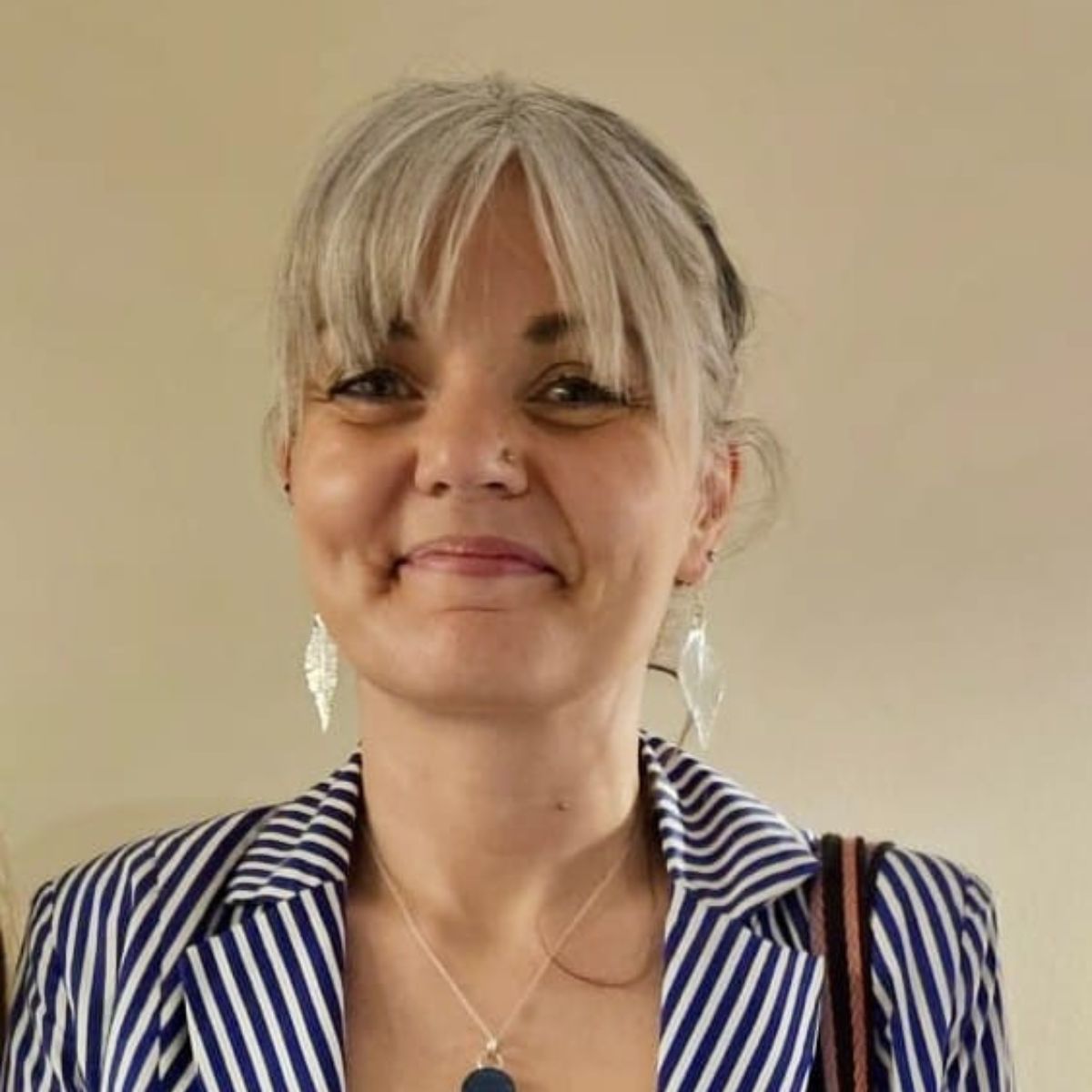
Anne-Beth Hampson
Mentor
Award winning Midwifery Educator
Clinical Supervisor
Annie Hampson is an award winning Midwife and Educator. With 22 years of professional experience, Annie practices to the full scope of Midwifery practice. Starting her career in the UK and then emigrating to Australia, she has applied and developed her midwifery expertise in a variety of positions.
Annie’s roles include working in continuity of care specialising in physiological birth, as well Team Leading in Birth Suite and Maternity Wards providing coordination and expertise in more complex maternity care. Annie has frequently backfilled leadership roles during her career including Midwifery Unit Manager and Clinical Midwife Consultant.
With decades of clinical experience, she moved in to midwifery education roles, developing and implementing a wide range of educational programs to enhance midwifery scope of practice, promote continuity of midwifery care, increase multidisciplinary collaboration and enhance outcomes for women and families. She has been recognised for her achievements, being named as Midwife of the Year for two consecutive years in 2024 and 2025.
With a passion for workplace wellbeing, nurturing emerging leaders and building capacity and resilience, Annie has completed comprehensive training in a variety of Clinical Supervision models, promoting reflection and growth in her colleagues
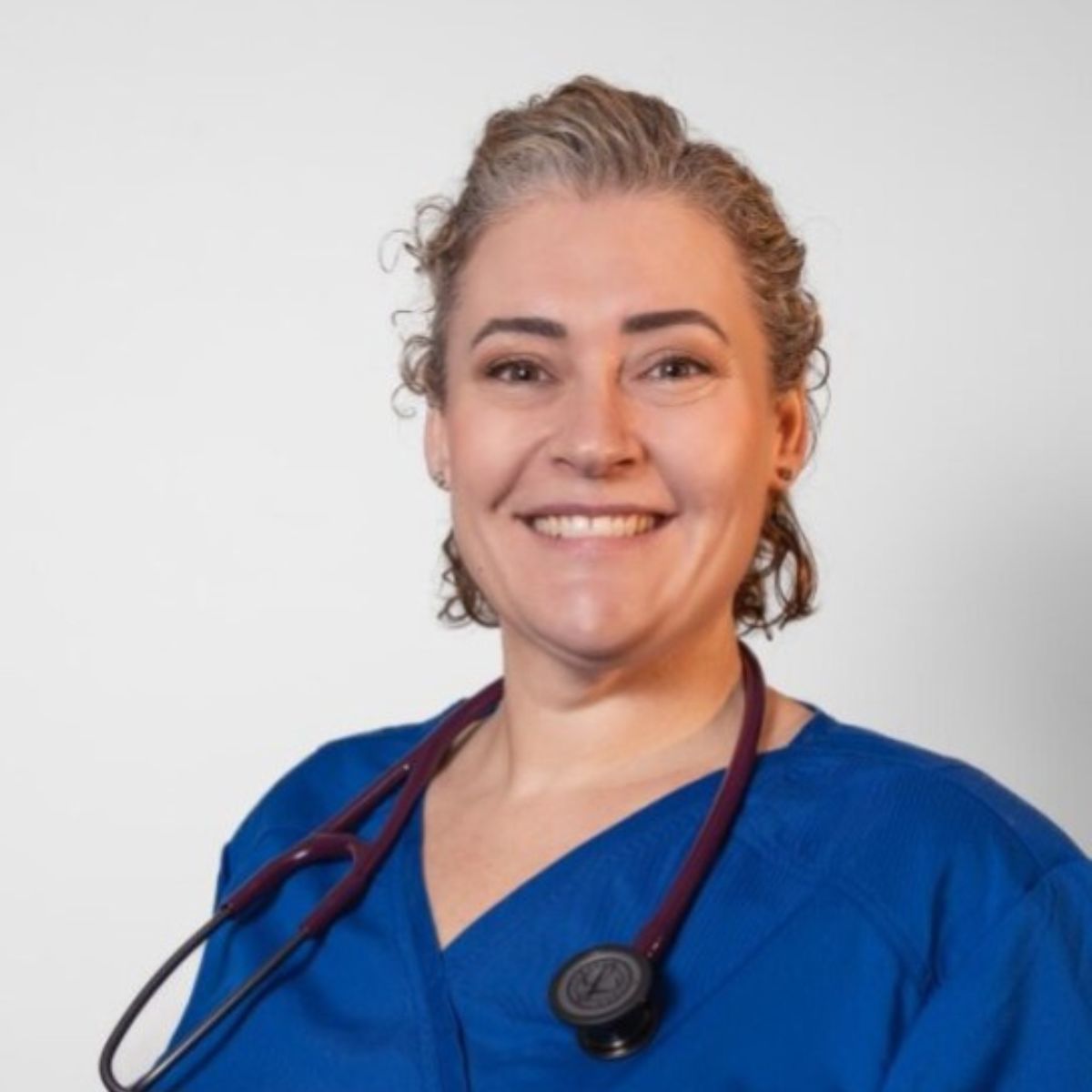
Marina Denton
Registered Nurse | Clinical Educator | Nursing Mentor
Marina Denton is a Registered Nurse with over 28 years of clinical experience spanning intensive care, acute care, and nurse education. She holds a Master of Nursing (Education), a Graduate Certificate in Critical Care (ICU), and a Certificate IV in Training and Assessment, underpinning a career built on both advanced clinical practice and a genuine commitment to developing the nurses around her. Marina has worked across high-acuity environments including ICU, outreach, and respiratory care at major Queensland Health facilities.
As a Nurse Educator within a busy tertiary hospital setting, Marina has designed and delivered education programs across clinical deterioration, invasive device management, NIV, telemetry, and simulation-based learning. She is known for building learning cultures in complex ward environments, working alongside clinical facilitators, nursing staff, and multidisciplinary leaders to lift capability, confidence, and standards of care. Her mentorship approach is practical, direct, and grounded in real clinical experience.
Marina is co-founder of Nurse Growth Academy, a nurse-led education business supporting internationally qualified nurses and midwives preparing for AHPRA registration through OSCE preparation and clinical skills development. She brings to her mentoring role a deep understanding of what it takes to navigate a new clinical system, communicate effectively under pressure, and demonstrate competence in an assessment environment. Marina is passionate about helping nurses from all backgrounds succeed and thrive in Australian clinical practice.
Highlights From The Blog
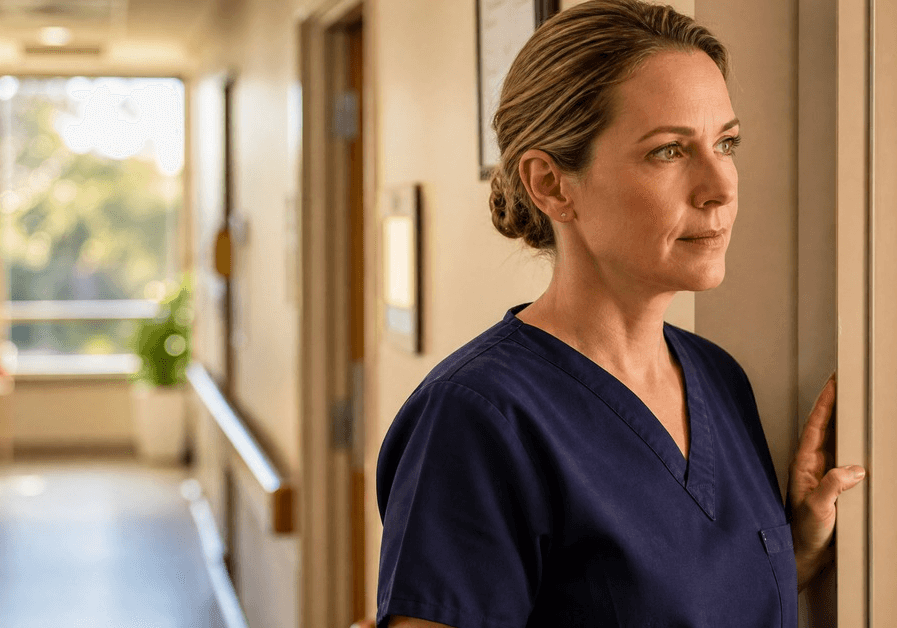
Clinical Intuition in Nursing: What It Is, How It Develops, and Why It Belongs in Your Portfolio
The Thing Experienced Nurses Know That They Cannot Always Explain
Every experienced nurse has had this experience: a patient who looks fine by every measurable parameter, but something is wrong. A clinical presentation that reads as routine, but the nurse stays. A moment of certainty about a patient’s trajectory that precedes the objective data that would explain it.
This is not imagination. It is not unprofessional. It is one of the most sophisticated and most undervalued competencies in clinical nursing — and it has a name, a mechanism, and a substantial research base.
|
When an experienced nurse says, ‘I just knew’, they are not describing a feeling. They are describing a pattern-matching process so rapid and so well-trained that it produces certainty before it produces explanation.
What Clinical Intuition in Nursing Actually Is
Clinical intuition in nursing has been researched extensively since Patricia Benner’s foundational work in the 1980s on novice-to-expert clinical development. It is now understood as a form of expert pattern recognition — the ability to rapidly identify clinical situations as instances of known patterns, without the conscious step-by-step processing that novice nurses use.
The mechanism is well-established in cognitive science: the brain stores thousands of clinical encounters as patterns. When a new patient presentation activates features consistent with a stored pattern — not matching it exactly, but resonating — the brain produces a sense of knowing before the explicit reasoning process has completed.
This is not the same as guessing. It is experienced pattern matching. And it is consistently accurate at rates that explicit reasoning in real-time clinical settings cannot match, for experienced practitioners.
How Clinical Intuition Develops in Nurses
Volume of Clinical Exposure
Clinical intuition develops through cumulative patient exposure — specifically, through encounters that are rich enough in detail that patterns are laid down with sufficient specificity to be useful. Hospital nursing, despite its pressures, produces rapid pattern development through the sheer density and diversity of clinical presentations.
Reflective Processing of Clinical Encounters
Volume alone is not sufficient. Nurses who reflect on clinical encounters — particularly ones where outcomes surprised them, or where their intuition was confirmed or disconfirmed by subsequent data — develop pattern libraries that are more refined and more reliable.
Cross-Specialty Clinical Experience
Nurses with experience across multiple clinical settings and patient populations develop broader pattern libraries and more flexible intuition than deeply siloed specialists. The nurse who has worked medical, surgical, and emergency settings brings a comparative database that enriches pattern recognition across contexts.
The Relationship Between Clinical Intuition and Evidence-Based Practice
Clinical intuition is not an alternative to evidence-based practice. It is evidence-based practice operating at a different speed. The pattern the experienced nurse is matching was built from real clinical outcomes — from encounters where the pattern was present and the outcome confirmed or disconfirmed its significance.
The appropriate relationship between intuition and evidence in clinical practice is: intuitive knowing warrants investigation, not automatic action. When something tells you a patient is deteriorating, you investigate. The feeling is data. It warrants data collection.
Why Clinical Intuition Belongs in Your Nursing Portfolio
Most nurses describe their clinical expertise in terms that are easily measurable: qualifications, years of experience, skills certificates, procedural competencies. Clinical intuition — one of the competencies that most clearly distinguishes an experienced nurse from a skilled new graduate — is almost never articulated in professional portfolios or career narratives.
Communicating clinical intuition in a portfolio or interview does not mean using the word ‘intuition’ — it means describing specific clinical experiences where advanced pattern recognition produced outcomes that explicit assessment alone would not have.
Example: ‘I identified a patient’s early deterioration during a routine observation round, despite normal vital signs, based on subtle changes in color, affect, and respiratory pattern that I recognized as consistent with impending sepsis. The subsequent assessment and escalation prevented an ICU transfer.’ This is clinical intuition described in portfolio language.
Frequently Asked Questions
Is clinical intuition reliable enough to act on?
Experienced clinical intuition is reliable enough to warrant investigation, escalation, and increased monitoring. It is not reliable enough to justify clinical action without supporting objective assessment. The appropriate response to strong clinical intuition is enhanced assessment — not bypass of standard clinical protocols.
Do some nurses develop clinical intuition faster than others?
Yes. The rate of clinical intuition development is affected by volume and diversity of clinical exposure, quality of reflection on clinical encounters, quality of supervision and feedback during formative years, and the degree to which the nurse actively attends to clinical subtleties rather than focusing only on measurable parameters.
How do I talk about clinical intuition in a job interview without sounding unscientific?
Frame it as expert pattern recognition and describe a specific clinical instance. ‘I have developed strong clinical early warning recognition through extensive acute care experience — I am often able to identify subtle deterioration before it becomes measurable’ is both accurate and professionally appropriate.

The Hive Nursing Development © 2026 | About Us | Contact Us | Privacy Policy | Terms & Conditions