





Nurses Growing Nurses
At The Hive Nursing Development, we’re passionate about nurturing the whole nurse and midwife. From job applications and career transitions to building strong leadership skills and sustaining wellbeing, we’ve walked the path and now walk it alongside others.
With over 40 years’ combined experience and a deep understanding of the healthcare system, we’re here to make sure no nurse or midwife is left to figure it all out alone.
With the increasing rates of burnout, workforce shortages, and leadership gaps in nursing, professional development and support services for nurses is more critical than ever.
At THND we empower nurses and midwives through targeted mentoring, leadership training and wellbeing initiatives helping nurses and midwives build their confidence, and lead with purpose to remain in the profession long-term.




Meet The Team

Lisa Lucas
Chief Executive Officer
Global Mentor | International Speaker
Award winning Nursing Leader


Lisa Lucas is a multi-award-winning Nursing leader with over 20 years of experience across specialties including Oncology, Surgical, Cardiology, Retrieval Services, and Emergency Nursing.
With 16 years spent in major emergency departments, she has held senior leadership roles such as Nursing Director, Nurse Unit Manager, Clinical Nurse Consultant, and Nurse Educator.
Recognised for her commitment to the profession, Lisa was awarded Nurse of the Year in 2020 (Year of the Nurse and Midwife), Nursing Director of the Year in 2023, and nominated for Nursing Leader of the Year in 2024.
Coming from a family of nurses spanning three generations, Lisa is passionate about mentoring and professional growth. Her dedication to developing future nurse leaders inspired her to co-found The Hive Development, expanding her impact beyond her immediate team.

Mick Lucas
Chief Operating Officer
Award winning Project Manager | Entrepreneur | Leadership expert
Mick Lucas is a multi award winning leader and project manager with extensive experience in management and leadership and a proven ability to oversee complex operations, guide teams, and build stable, high-functioning organisations.
In addition to his formal leadership background, Mick brings a deep, lived understanding of the nursing profession. Having supported a nurse leader and healthcare executive partner for many years, he has firsthand insight into the pressures, demands, and personal toll that nursing and leadership roles can carry. This perspective informs his approach to building structures that genuinely support nurses, no just professionally, but sustainably.
His leadership ensures that The Hive’s programs are not only impactful, but realistic, ethical, and aligned with the real-world demands of healthcare.
Our Mentors

Kirri de Kruijf
Mentor
Emergency Nurse Educator
Kirri de Kruijf began her nursing career over 12 years ago and has spent the past six years in senior leadership roles. Kirri is currently an Emergency Nurse Educator and holds a Master’s in Advanced Practice Nursing, a Graduate Certificate of Health Clinical Education and a Certificate IV in Training and Assessment.
Her passion lies in nursing excellence, education, and workforce development, with extensive experience in recruitment processes, including serving on interview panels and leading the design of structured interview questions to ensure fair and evidence-based selection. She strives to create environments where nurses feel supported to grow and deliver exceptional care, translating evidence into practice.
Away from work, Kirri is a proud mother of two. Her journey has included navigating profound life experiences that have deepened her resilience and empathy. She enjoys traveling and taking on big projects (currently renovating her third home), thriving on opportunities that push her to learn and adapt.
Anne-Beth Hampson
Mentor
Award winning Midwifery Educator
Clinical Supervisor
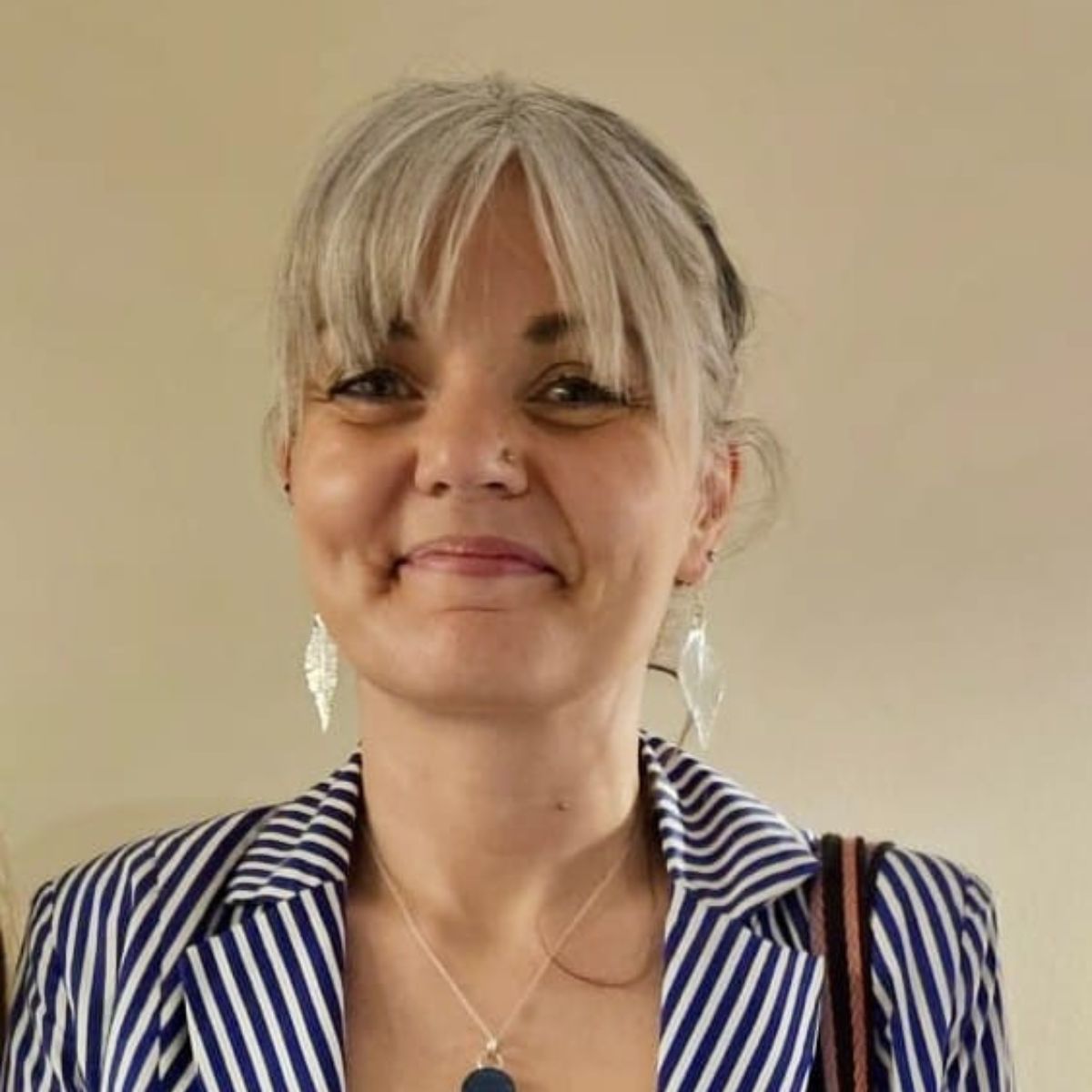
Annie Hampson is an award winning Midwife and Educator. With 22 years of professional experience, Annie practices to the full scope of Midwifery practice. Starting her career in the UK and then emigrating to Australia, she has applied and developed her midwifery expertise in a variety of positions.
Annie’s roles include working in continuity of care specialising in physiological birth, as well Team Leading in Birth Suite and Maternity Wards providing coordination and expertise in more complex maternity care. Annie has frequently backfilled leadership roles during her career including Midwifery Unit Manager and Clinical Midwife Consultant.
With decades of clinical experience, she moved in to midwifery education roles, developing and implementing a wide range of educational programs to enhance midwifery scope of practice, promote continuity of midwifery care, increase multidisciplinary collaboration and enhance outcomes for women and families. She has been recognised for her achievements, being named as Midwife of the Year for two consecutive years in 2024 and 2025.
With a passion for workplace wellbeing, nurturing emerging leaders and building capacity and resilience, Annie has completed comprehensive training in a variety of Clinical Supervision models, promoting reflection and growth in her colleagues
Marina Denton
Registered Nurse | Clinical Educator | Nursing Mentor
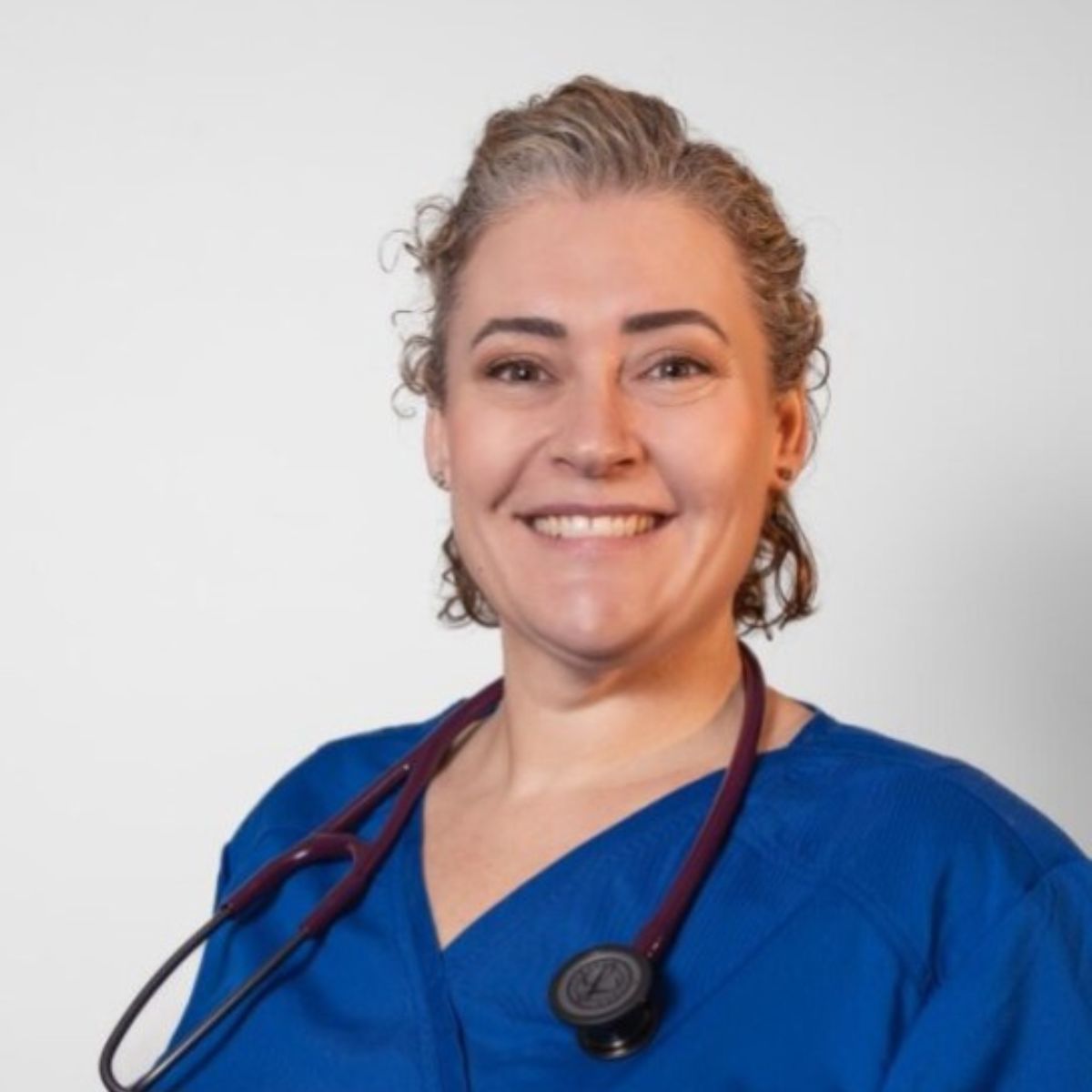
Marina Denton is a Registered Nurse with over 28 years of clinical experience spanning intensive care, acute care, and nurse education. She holds a Master of Nursing (Education), a Graduate Certificate in Critical Care (ICU), and a Certificate IV in Training and Assessment, underpinning a career built on both advanced clinical practice and a genuine commitment to developing the nurses around her. Marina has worked across high-acuity environments including ICU, outreach, and respiratory care at major Queensland Health facilities.
As a Nurse Educator within a busy tertiary hospital setting, Marina has designed and delivered education programs across clinical deterioration, invasive device management, NIV, telemetry, and simulation-based learning. She is known for building learning cultures in complex ward environments, working alongside clinical facilitators, nursing staff, and multidisciplinary leaders to lift capability, confidence, and standards of care. Her mentorship approach is practical, direct, and grounded in real clinical experience.
Marina is co-founder of Nurse Growth Academy, a nurse-led education business supporting internationally qualified nurses and midwives preparing for AHPRA registration through OSCE preparation and clinical skills development. She brings to her mentoring role a deep understanding of what it takes to navigate a new clinical system, communicate effectively under pressure, and demonstrate competence in an assessment environment. Marina is passionate about helping nurses from all backgrounds succeed and thrive in Australian clinical practice.
Highlights From The Blog

Leaving Bedside Nursing Without Guilt: A Guide for Nurses Who Still Love the Profession
The Permission You Are Waiting For
Here is the thing about guilt in nursing. It is not a sign that you are doing something wrong. It is a sign that you care deeply about something, and that caring deeply is exactly the thing that made you good at this job.
But caring deeply is not sufficient reason to stay in conditions that are destroying you. And choosing to leave bedside nursing is not an act of abandonment. It is, for many nurses, an act of preservation.
This article addresses the guilt directly, because guilt is what keeps nurses in roles that are costing them their health, their relationships, and their future, long after every other signal has told them it is time to go.
Where the Guilt Comes From
The guilt nurses feel about leaving bedside nursing is not incidental. It is a product of how nursing is socialized and how the profession construct’s identity.
From the first day of clinical placement, nurses are taught that the work is a calling, not a career. That patients need you. That the team depends on you. That your personal cost is part of the professional contract.
These are not entirely wrong beliefs. The problem is when they become the justification for systemic exploitation. When they become the reason nurses stay in conditions that no sustainable workforce should accept. When they become the internal argument against the nurse’s own wellbeing.
The guilt does not come from a moral failure. It comes from a professional culture that has learned to direct nurses deeply held values against their own interests.

The Nursing Identity Trap
For many nurses, nursing is not what they do. It is who they are.
This is particularly true for nurses who entered the profession from a place of deep vocation. Nursing is not a job to them. It is an identity, a calling, a framework through which they understand their purpose in the world.
When that identity is fused with a specific setting, the bedside, the leaving of that setting feels like the leaving of the self. Which is why the question ‘should I leave bedside nursing?’ frequently feels existential rather than practical.
The identity is not wrong. The fusion of identity with a specific setting is where the problem lies.
Reframing What Leaving Actually Means
Eight years ago, I hit a wall. I loved nursing. I loved my patients. I was a good clinical nurse and I knew it. But the job I loved was slowly draining the life out of me.
My first thought was that I needed a new career. But here is what I discovered when I sat with that honestly: I did not want a new career. I wanted a different relationship with nursing. I wanted to practice in a way that was sustainable.
So instead of leaving nursing, I redefined it for myself. I sought roles that aligned with my strengths and my values. I leaned into leadership, mentoring, and education. I built a version of being a nurse that allowed me to serve and lead without sacrificing my health or my family.
Leaving the bedside is not leaving nursing. It is expanding your definition of what nursing means for you.
The nurses who feel the deepest guilt about leaving the bedside are often the nurses who love nursing the most. And they are the ones who most deserve to find a sustainable pathway within it.
What You Are Not Abandoning
When you leave a bedside role, you are not abandoning:
-
**Your professional identity as a nurse
-
**Your clinical knowledge or the years of experience it represents
-
**Your values around caring for people
-
**Your contribution to the nursing profession
-
**Your patients, as a profession rather than as an individual
What you may be leaving:
-
**A specific physical environment that is no longer sustainable for you
-
**A structural situation that the system created and that the system is responsible for
-
**A version of nursing that asked too much in exchange for too little

Real Nurses Who Left and What Happened to Their Love for Nursing
The nurses who leave bedside roles and experience the most guilt are often the ones who discover, on the other side, that they love nursing more in their new form than they did in the last years of their bedside career.
Leadership roles that allow nurses to influence care at scale rather than one patient at a time. Education roles that multiply clinical knowledge through the next generation of practitioners. Coaching and mentoring roles that help other nurses find sustainable pathways. Each of these is an expression of the same vocation that drove them to the bedside in the first place.
The love for nursing does not require the bedside setting to survive. In many cases, it is the bedside setting that is diminishing it.
How to Process the Guilt Before You Move
The guilt does not need to be eliminated before you can make a decision. It needs to be acknowledged, understood, and then placed in its proper context.
Several practices help with this:
-
**Write down what you are afraid of losing when you leave. Name each thing specifically. Then ask which of those things are actually attached to the bedside setting and which are attached to you as a nurse.
-
**Speak to nurses who have made the transition. The experience of hearing that nursing identity survives the bedside is qualitatively different from reading it.
-
**Work with a mentor or career coach who understands the nursing context. The guilt-processing work is significantly more efficient with professional support than in isolation.
-
**Give yourself time with the decision. The guilt often decreases as clarity about what comes next increases.
Practical Next Steps Without the Shame
You do not need to resolve the guilt before you start investigating your options. You can hold the guilt and still take practical steps.
The most important immediate step is not a resignation. It is clarity about what your options are. Understanding the landscape of non-bedside nursing roles. Identifying what your skills transfer to. Building a picture of what the next version of your nursing career might look like before you commit to anything.
That clarity often dissolves the guilt because it replaces the formless fear of the unknown with a specific picture of what comes next.
Frequently Asked Questions
Will I regret leaving the bedside?
Research on nurses who leave bedside roles voluntarily and with support shows that regret is significantly less common than nurses fear. The nurses most likely to experience regret are those who leave reactively, from exhaustion and without clarity, rather than those who leave from an informed, intentional position.
How do I explain to my colleagues why I am leaving without feeling like I am criticizing them for staying?
Your decision to leave is about your needs and your context. It is not a judgment on colleagues who stay. Being honest about your reasons, that you need something different, that this is not sustainable for you right now, is both truthful and non-comparative.
Is the guilt ever going to go away?
For most nurses, yes, once clarity and momentum replace uncertainty. The guilt that is loudest in the contemplation phase typically quiets significantly once a direction is chosen and progress begins.
Find out when the next career advancement and alignment program is held and build a clear picture of your next step in nursing, with and without the bedside.



The Hive Nursing Development © 2026 | About Us | Contact Us | Privacy Policy | Terms & Conditions