






Nurses Growing Nurses
At The Hive Nursing Development, we’re passionate about nurturing the whole nurse and midwife. From job applications and career transitions to building strong leadership skills and sustaining wellbeing, we’ve walked the path and now walk it alongside others.
With over 40 years’ combined experience and a deep understanding of the healthcare system, we’re here to make sure no nurse or midwife is left to figure it all out alone.
With the increasing rates of burnout, workforce shortages, and leadership gaps in nursing, professional development and support services for nurses is more critical than ever.
At THND we empower nurses and midwives through targeted mentoring, leadership training and wellbeing initiatives helping nurses and midwives build their confidence, and lead with purpose to remain in the profession long-term.



Meet The Team

Lisa Lucas
Chief Executive Officer
Global Mentor | International Speaker
Award winning Nursing Leader


Lisa Lucas is a multi-award-winning Nursing leader with over 20 years of experience across specialties including Oncology, Surgical, Cardiology, Retrieval Services, and Emergency Nursing.
With 16 years spent in major emergency departments, she has held senior leadership roles such as Nursing Director, Nurse Unit Manager, Clinical Nurse Consultant, and Nurse Educator.
Recognised for her commitment to the profession, Lisa was awarded Nurse of the Year in 2020 (Year of the Nurse and Midwife), Nursing Director of the Year in 2023, and nominated for Nursing Leader of the Year in 2024.
Coming from a family of nurses spanning three generations, Lisa is passionate about mentoring and professional growth. Her dedication to developing future nurse leaders inspired her to co-found The Hive Development, expanding her impact beyond her immediate team.

Mick Lucas
Chief Operating Officer
Award winning Project Manager | Entrepreneur | Leadership expert
Mick Lucas is a multi award winning leader and project manager with extensive experience in management and leadership and a proven ability to oversee complex operations, guide teams, and build stable, high-functioning organisations.
In addition to his formal leadership background, Mick brings a deep, lived understanding of the nursing profession. Having supported a nurse leader and healthcare executive partner for many years, he has firsthand insight into the pressures, demands, and personal toll that nursing and leadership roles can carry. This perspective informs his approach to building structures that genuinely support nurses, no just professionally, but sustainably.
His leadership ensures that The Hive’s programs are not only impactful, but realistic, ethical, and aligned with the real-world demands of healthcare.
Our Mentors

Kirri de Kruijf
Mentor
Emergency Nurse Educator
Kirri de Kruijf began her nursing career over 12 years ago and has spent the past six years in senior leadership roles. Kirri is currently an Emergency Nurse Educator and holds a Master’s in Advanced Practice Nursing, a Graduate Certificate of Health Clinical Education and a Certificate IV in Training and Assessment.
Her passion lies in nursing excellence, education, and workforce development, with extensive experience in recruitment processes, including serving on interview panels and leading the design of structured interview questions to ensure fair and evidence-based selection. She strives to create environments where nurses feel supported to grow and deliver exceptional care, translating evidence into practice.
Away from work, Kirri is a proud mother of two. Her journey has included navigating profound life experiences that have deepened her resilience and empathy. She enjoys traveling and taking on big projects (currently renovating her third home), thriving on opportunities that push her to learn and adapt.
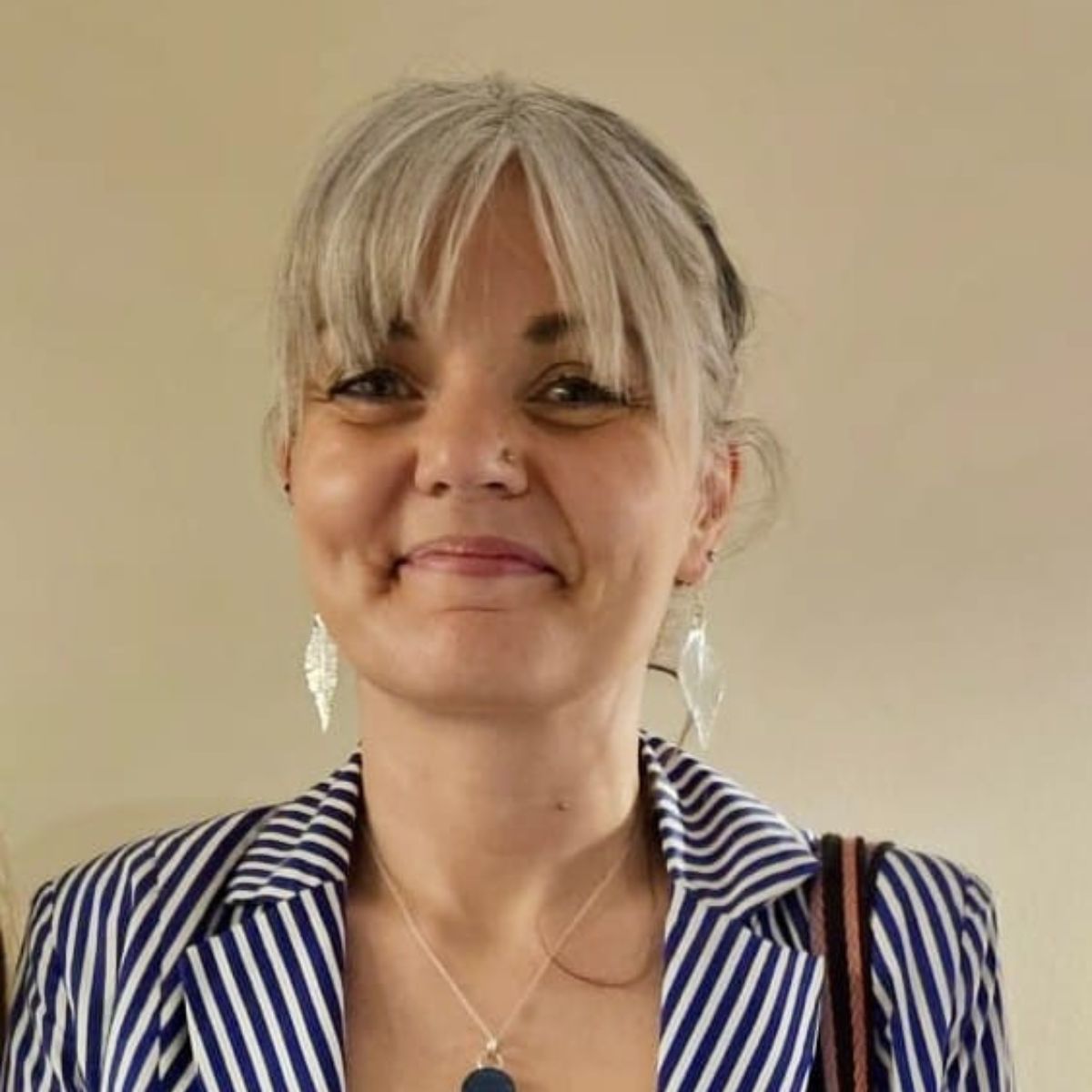
Anne-Beth Hampson
Mentor
Award winning Midwifery Educator
Clinical Supervisor
Annie Hampson is an award winning Midwife and Educator. With 22 years of professional experience, Annie practices to the full scope of Midwifery practice. Starting her career in the UK and then emigrating to Australia, she has applied and developed her midwifery expertise in a variety of positions.
Annie’s roles include working in continuity of care specialising in physiological birth, as well Team Leading in Birth Suite and Maternity Wards providing coordination and expertise in more complex maternity care. Annie has frequently backfilled leadership roles during her career including Midwifery Unit Manager and Clinical Midwife Consultant.
With decades of clinical experience, she moved in to midwifery education roles, developing and implementing a wide range of educational programs to enhance midwifery scope of practice, promote continuity of midwifery care, increase multidisciplinary collaboration and enhance outcomes for women and families. She has been recognised for her achievements, being named as Midwife of the Year for two consecutive years in 2024 and 2025.
With a passion for workplace wellbeing, nurturing emerging leaders and building capacity and resilience, Annie has completed comprehensive training in a variety of Clinical Supervision models, promoting reflection and growth in her colleagues
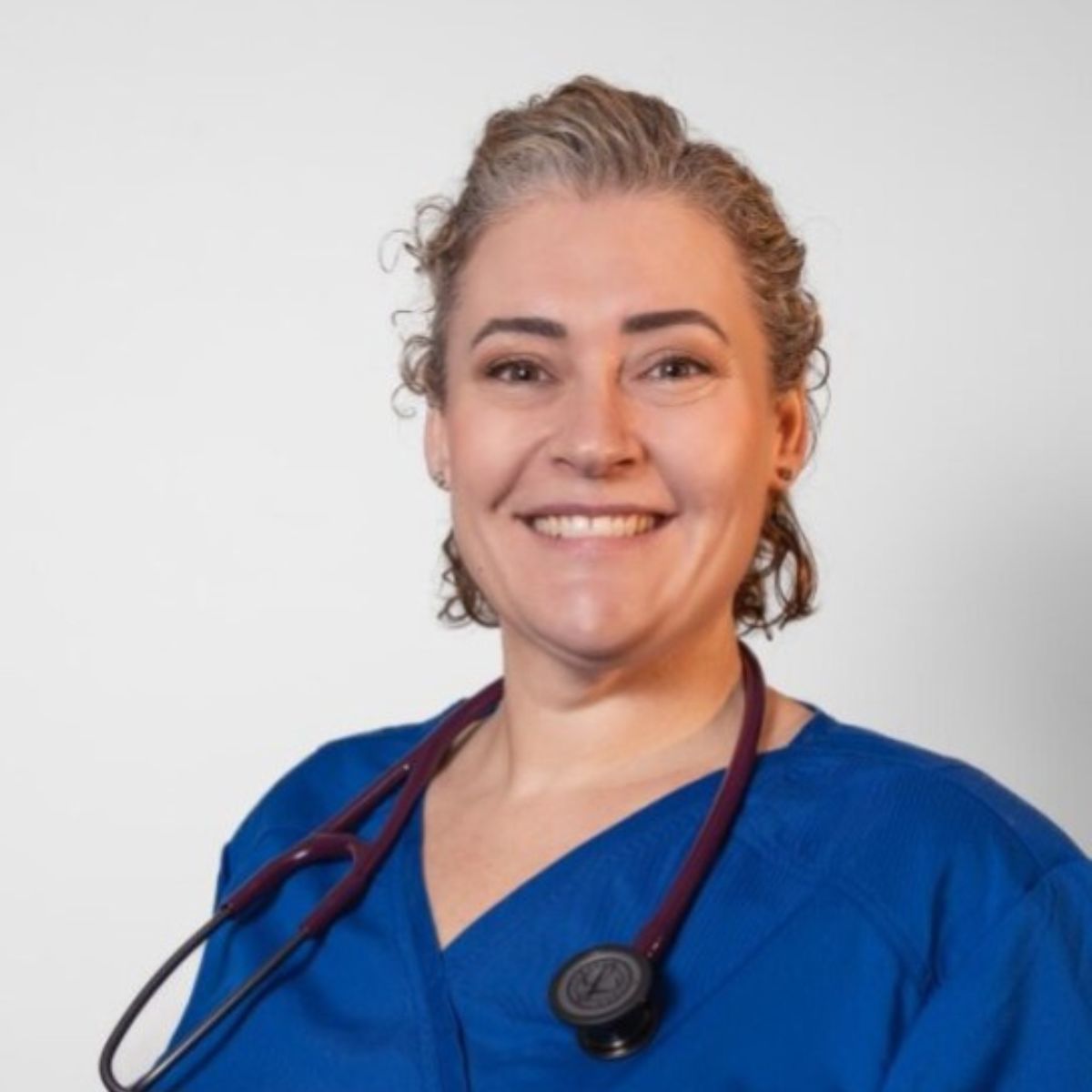
Marina Denton
Registered Nurse | Clinical Educator | Nursing Mentor
Marina Denton is a Registered Nurse with over 28 years of clinical experience spanning intensive care, acute care, and nurse education. She holds a Master of Nursing (Education), a Graduate Certificate in Critical Care (ICU), and a Certificate IV in Training and Assessment, underpinning a career built on both advanced clinical practice and a genuine commitment to developing the nurses around her. Marina has worked across high-acuity environments including ICU, outreach, and respiratory care at major Queensland Health facilities.
As a Nurse Educator within a busy tertiary hospital setting, Marina has designed and delivered education programs across clinical deterioration, invasive device management, NIV, telemetry, and simulation-based learning. She is known for building learning cultures in complex ward environments, working alongside clinical facilitators, nursing staff, and multidisciplinary leaders to lift capability, confidence, and standards of care. Her mentorship approach is practical, direct, and grounded in real clinical experience.
Marina is co-founder of Nurse Growth Academy, a nurse-led education business supporting internationally qualified nurses and midwives preparing for AHPRA registration through OSCE preparation and clinical skills development. She brings to her mentoring role a deep understanding of what it takes to navigate a new clinical system, communicate effectively under pressure, and demonstrate competence in an assessment environment. Marina is passionate about helping nurses from all backgrounds succeed and thrive in Australian clinical practice.
Highlights From The Blog

How to Assess a Nursing Workplace Before You Accept the Job
The Interview Is a Two-Way Process
Most nurses approach job interviews as auditions — focused entirely on performing well enough to receive an offer. This framing costs them.
The organization is assessing whether you are right for them. You should be equally actively assessing whether they are right for you. The cost of joining the wrong workplace — in wellbeing, in burnout risk, in career trajectory — substantially exceeds the cost of taking longer to find the right one.
This article gives you a practical, specific framework for assessing a nursing workplace before you commit to it.
Before the Interview: Research You Can Do From the Outside
Check AHPRA and accreditation records
Health service accreditation status is publicly available. A facility with recent or current compliance issues is a facility under structural pressure, which typically flows directly to nursing working conditions. This is not disqualifying information, but it is context.
Talk to nurses who have worked there
LinkedIn, professional networks, and direct outreach to former employees provide the clearest picture of workplace reality available. Ask specifically: what was the management culture like, what made you leave, and would you recommend it to a nurse you respected? People who have left a workplace are typically candid.
Review the enterprise agreement and recent bargaining history
How an organization behaves in enterprise bargaining reveals its values more clearly than any recruitment pitch. Prolonged disputes, minimal increases, or patterns of cutting conditions are indicators of an employer’s genuine priorities.
During the Interview: What to Watch and What to Ask
Observe before you speak
How is the reception or waiting area staffed? Are nurses you observe moving with engagement or with exhaustion? What is the tone of conversations you can hear? These observations take thirty seconds and tell you more than most interview questions.
Ask specifically about staffing and acuity
‘What is the typical nurse-to-patient ratio on this unit during a day shift, and how often is this maintained?’ is a question that produces one of two responses: a direct, confident answer, or evasion. The evasion is the data.
Ask about how mistakes are handled
‘Can you walk me through how the team would typically respond when a clinical error or near miss is identified?’ This question reveals the psychological safety culture of the unit more directly than any values statement.
Ask about what happened to the last person in this role
Organizations rarely volunteer this information, and most nurses do not ask. The answer — promotion, transfer, resignation, extended leave — is directly relevant to your decision. A role with high recent turnover is a role worth understanding more deeply before accepting.
Ask about professional development investment
‘What does the organization typically invest in for nurses at this level in terms of professional development, and what would be available to me specifically?’ The answer tells you whether the organisation sees nursing staff as an asset to develop or a resource to consume.
The Red Flags That Are Easy to Miss
-
**The interviewer speaks about nursing shortages and team pressure as though they are a permanent given rather than a problem to be solved — this normalizes inadequate conditions
-
**Vague or dismissive answers to direct questions about staffing ratios or workload
-
**No clear orientation or support structure for new staff
-
**The role has been vacant for an unusually long time, or has had multiple occupants recently
-
**The interviewer emphasizes how much you will learn, as a substitution for concrete answers about what will be provided
-
**Multiple members of the team look visibly depleted
|
A workplace that cannot answer ‘what is your typical nurse-to-patient ratio?’ directly is a workplace that knows the answer is a problem.
After the Interview: The Debrief With Yourself
Before you receive or respond to an offer, spend twenty minutes with these questions:
-
**Did the environment I observed today match the culture being described to me?
-
**Were my direct questions answered directly, or deflected?
-
**Do the nurses I observed look like people in a sustainable professional environment?
-
**Would I respect the manager I met as a leader, or would I be managing up constantly from day one?
-
**Does the vision this organisation described for the role align with the direction I am actually building toward?
Your gut response to these questions carries real information. Not because instinct is infallible, but because the observations that feed it are specific and direct in ways that the formal interview content often is not.
Frequently Asked Questions
s it appropriate to ask about why the position is vacant?
Yes, and the answer is useful. Roles that are new, created by restructure, or vacated by promotion tell a different story from roles that have had three occupants in eighteen months. You are entitled to ask, and a good employer will answer directly.
What if I need the job and cannot afford to be selective?
Even in constrained circumstances, the assessment framework helps you understand what you are entering, prepare for the challenges ahead, and make the most informed decision available to you. Needing a job does not require suspending judgment — it requires weighing it realistically.
What are the most reliable signs of a genuinely good nursing workplace?
Specific, confident answers to direct questions about staffing and support. Clear orientation structures. Evidence that the manager has been in the role for some time. Nurses who look engaged rather than depleted. Honest acknowledgment of challenges alongside genuine description of supports. These are not guarantees — but they are meaningfully different from their absence.
Join The Hive email community to access career navigation resources for nurses making significant professional decisions. Visitthehivedevelopment.com.au

The Hive Nursing Development © 2026 | About Us | Contact Us | Privacy Policy | Terms & Conditions