





Nurses Growing Nurses
At The Hive Nursing Development, we’re passionate about nurturing the whole nurse and midwife. From job applications and career transitions to building strong leadership skills and sustaining wellbeing, we’ve walked the path and now walk it alongside others.
With over 40 years’ combined experience and a deep understanding of the healthcare system, we’re here to make sure no nurse or midwife is left to figure it all out alone.
With the increasing rates of burnout, workforce shortages, and leadership gaps in nursing, professional development and support services for nurses is more critical than ever.
At THND we empower nurses and midwives through targeted mentoring, leadership training and wellbeing initiatives helping nurses and midwives build their confidence, and lead with purpose to remain in the profession long-term.

Meet The Team

Lisa Lucas
Chief Executive Officer
Global Mentor | International Speaker
Award winning Nursing Leader


Lisa Lucas is a multi-award-winning Nursing leader with over 20 years of experience across specialties including Oncology, Surgical, Cardiology, Retrieval Services, and Emergency Nursing.
With 16 years spent in major emergency departments, she has held senior leadership roles such as Nursing Director, Nurse Unit Manager, Clinical Nurse Consultant, and Nurse Educator.
Recognised for her commitment to the profession, Lisa was awarded Nurse of the Year in 2020 (Year of the Nurse and Midwife), Nursing Director of the Year in 2023, and nominated for Nursing Leader of the Year in 2024.
Coming from a family of nurses spanning three generations, Lisa is passionate about mentoring and professional growth. Her dedication to developing future nurse leaders inspired her to co-found The Hive Development, expanding her impact beyond her immediate team.

Mick Lucas
Chief Operating Officer
Award winning Project Manager | Entrepreneur | Leadership expert
Mick Lucas is a multi award winning leader and project manager with extensive experience in management and leadership and a proven ability to oversee complex operations, guide teams, and build stable, high-functioning organisations.
In addition to his formal leadership background, Mick brings a deep, lived understanding of the nursing profession. Having supported a nurse leader and healthcare executive partner for many years, he has firsthand insight into the pressures, demands, and personal toll that nursing and leadership roles can carry. This perspective informs his approach to building structures that genuinely support nurses, no just professionally, but sustainably.
His leadership ensures that The Hive’s programs are not only impactful, but realistic, ethical, and aligned with the real-world demands of healthcare.
Our Mentors

Kirri de Kruijf
Mentor
Emergency Nurse Educator
Kirri de Kruijf began her nursing career over 12 years ago and has spent the past six years in senior leadership roles. Kirri is currently an Emergency Nurse Educator and holds a Master’s in Advanced Practice Nursing, a Graduate Certificate of Health Clinical Education and a Certificate IV in Training and Assessment.
Her passion lies in nursing excellence, education, and workforce development, with extensive experience in recruitment processes, including serving on interview panels and leading the design of structured interview questions to ensure fair and evidence-based selection. She strives to create environments where nurses feel supported to grow and deliver exceptional care, translating evidence into practice.
Away from work, Kirri is a proud mother of two. Her journey has included navigating profound life experiences that have deepened her resilience and empathy. She enjoys traveling and taking on big projects (currently renovating her third home), thriving on opportunities that push her to learn and adapt.
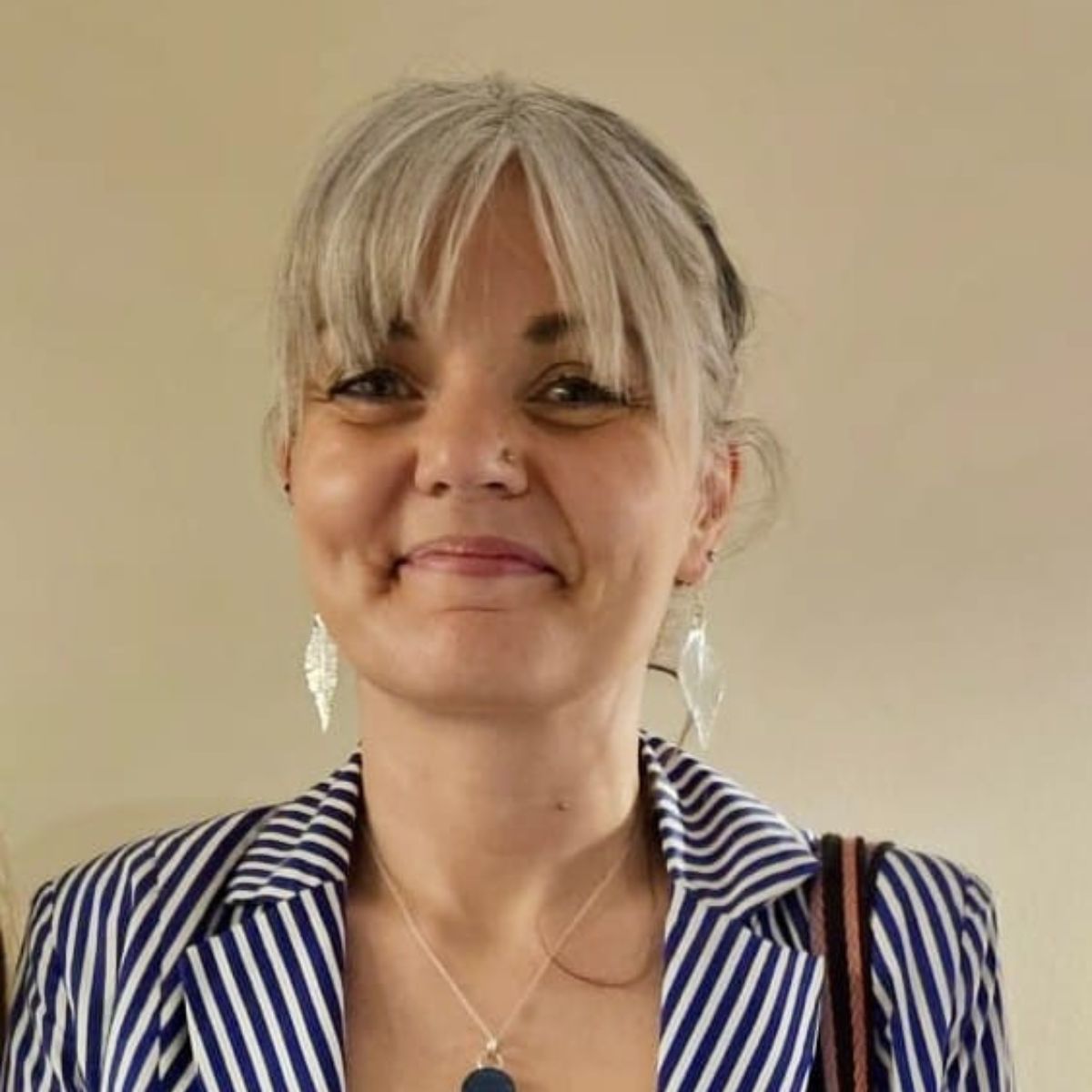
Anne-Beth Hampson
Mentor
Award winning Midwifery Educator
Clinical Supervisor
Annie Hampson is an award winning Midwife and Educator. With 22 years of professional experience, Annie practices to the full scope of Midwifery practice. Starting her career in the UK and then emigrating to Australia, she has applied and developed her midwifery expertise in a variety of positions.
Annie’s roles include working in continuity of care specialising in physiological birth, as well Team Leading in Birth Suite and Maternity Wards providing coordination and expertise in more complex maternity care. Annie has frequently backfilled leadership roles during her career including Midwifery Unit Manager and Clinical Midwife Consultant.
With decades of clinical experience, she moved in to midwifery education roles, developing and implementing a wide range of educational programs to enhance midwifery scope of practice, promote continuity of midwifery care, increase multidisciplinary collaboration and enhance outcomes for women and families. She has been recognised for her achievements, being named as Midwife of the Year for two consecutive years in 2024 and 2025.
With a passion for workplace wellbeing, nurturing emerging leaders and building capacity and resilience, Annie has completed comprehensive training in a variety of Clinical Supervision models, promoting reflection and growth in her colleagues
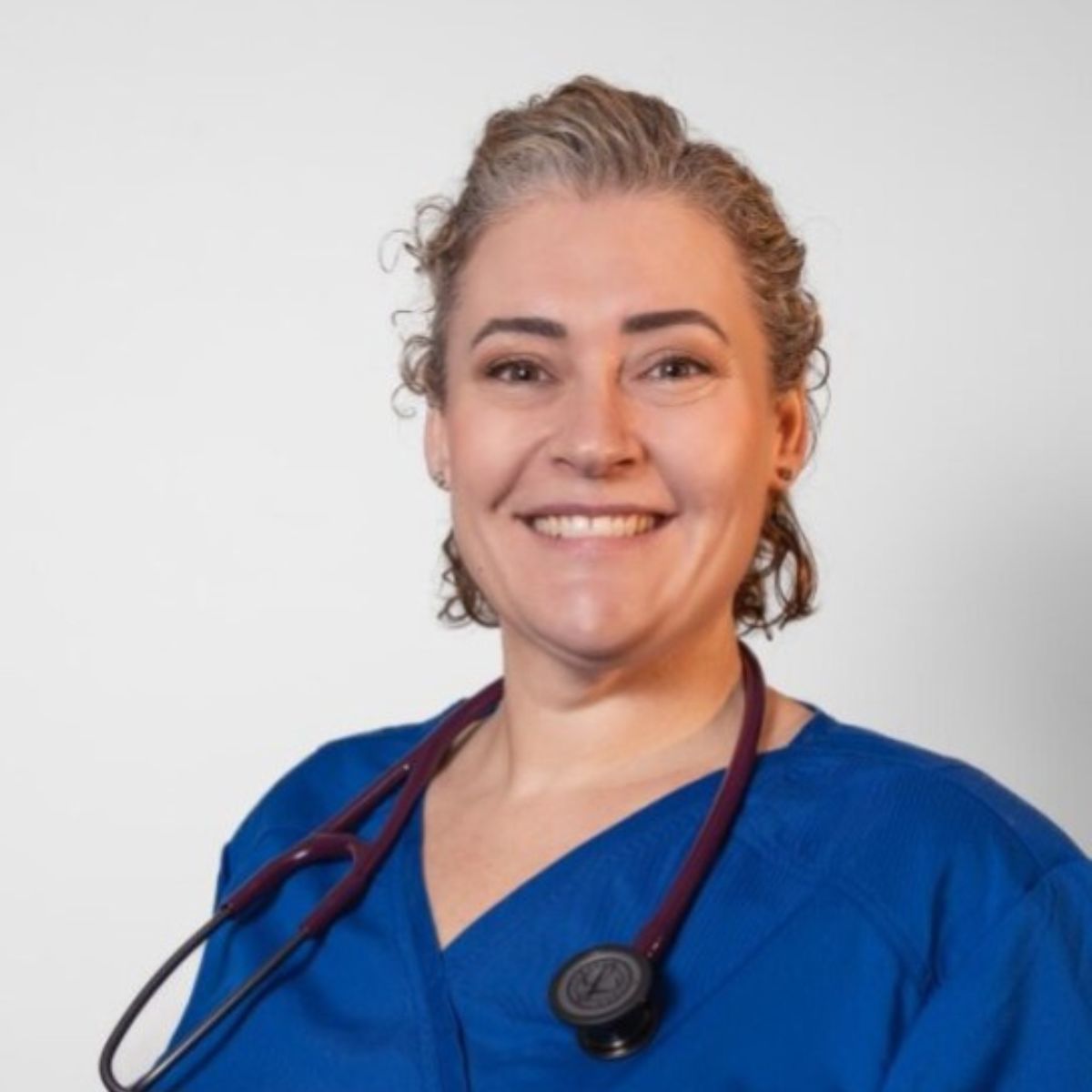
Marina Denton
Registered Nurse | Clinical Educator | Nursing Mentor
Marina Denton is a Registered Nurse with over 28 years of clinical experience spanning intensive care, acute care, and nurse education. She holds a Master of Nursing (Education), a Graduate Certificate in Critical Care (ICU), and a Certificate IV in Training and Assessment, underpinning a career built on both advanced clinical practice and a genuine commitment to developing the nurses around her. Marina has worked across high-acuity environments including ICU, outreach, and respiratory care at major Queensland Health facilities.
As a Nurse Educator within a busy tertiary hospital setting, Marina has designed and delivered education programs across clinical deterioration, invasive device management, NIV, telemetry, and simulation-based learning. She is known for building learning cultures in complex ward environments, working alongside clinical facilitators, nursing staff, and multidisciplinary leaders to lift capability, confidence, and standards of care. Her mentorship approach is practical, direct, and grounded in real clinical experience.
Marina is co-founder of Nurse Growth Academy, a nurse-led education business supporting internationally qualified nurses and midwives preparing for AHPRA registration through OSCE preparation and clinical skills development. She brings to her mentoring role a deep understanding of what it takes to navigate a new clinical system, communicate effectively under pressure, and demonstrate competence in an assessment environment. Marina is passionate about helping nurses from all backgrounds succeed and thrive in Australian clinical practice.
Highlights From The Blog

Imposter Syndrome in New Nurse Leaders: Why You Feel Like a Fraud and How to Stop
You Are Not Alone. And You Are Not a Fraud.
There is a particular kind of exhaustion that comes with imposter syndrome in nursing leadership. It is not the exhaustion of the work itself. It is the exhaustion of simultaneously doing the work and managing the internal conviction that at any moment, someone is going to realize you should not be doing it.
If you recognize that description, you are in excellent company. Research consistently suggests that imposter syndrome affects approximately 70% of high-achieving professionals at some point in their careers. In new nurse leaders, rates appear to be even higher, for reasons that are specific to the nursing leadership transition and entirely understandable once you know them.
This is not a character flaw. It is a predictable response to a specific professional situation, and it responds well to specific interventions.
What Is Imposter Syndrome?
Imposter syndrome, first described by psychologists Pauline Clance and Suzanne Imes in 1978, refers to the persistent internal experience of intellectual fraudulence despite objective evidence of competence. People experiencing imposter syndrome believe, regardless of contrary evidence, that their achievements are the result of luck, timing, or the failure of others to see through them, rather than genuine ability.
The classic features are: attributing success to external factors while attributing failure to internal ones; fear of being exposed as less capable than others believe; difficulty internalizing positive feedback; an ongoing expectation that the next challenge will be the one that reveals the truth
In nursing leadership, this manifests with specific texture. The new NUM who attributes their appointment to the shortage of applicants rather than their clinical record. The aspiring leader who receives performance praise but dismisses it as the manager being kind. The nurse who genuinely believes everyone else in the leadership team understands something they do not.
Why New Nurse Leaders Are Especially Vulnerable
Imposter syndrome can affect anyone in any field. But new nurse leaders face a particular convergence of factors that creates unusually fertile conditions for it:
The expertise inversion: Nursing leadership requires moving from clinical expert - the role in which most nurses feel most confident - to leadership novice. The skills that made you excellent as a clinician do not automatically transfer to leadership. For nurses who have built years of professional identity around clinical competence, this expertise inversion is genuinely disorienting.
The visibility increase: Leadership roles are visible in ways that clinical roles typically are not. Your decisions affect more people. Your presence in a room carries different weight. This increased visibility amplifies the fear of exposure that characterizes imposter syndrome.
The cultural silence: Nursing culture prizes strength, competence, and composure under pressure. It creates very little space for leaders to admit uncertainty or vulnerability. New nurse leaders who are experiencing imposter syndrome often have nowhere to take it that feels professionally safe.
The peer gap: The transition from peer to leader - managing nurses who were previously colleagues - creates a specific and painful identity disruption that amplifies self-doubt.
The 5 Types of Imposter Syndrome in Nursing Leadership
Psychologist Valerie Young identified five distinct imposter syndrome patterns. In nursing leadership, these manifest distinctively:
The Perfectionist: Sets unrealistically high standards and experiences any shortfall as evidence of inadequacy. In nursing leadership, this often looks like overworking to compensate for perceived deficiency.
The Expert: Believes they should know everything before taking action. In nursing leadership, this creates paralysis around decisions that require judgment under uncertainty.
The Natural Genius: Judges competence by speed and ease of mastery. In nursing leadership, the natural difficulty of a new role domain feels like confirmation of inadequacy rather than normal learning.
The Soloist: Believes that needing help is a sign of weakness. In nursing leadership, this prevents the mentoring-seeking behavior that would most effectively address the imposter experience.
The Superhero: Feels compelled to work harder than everyone else to compensate for perceived inadequacy. This pattern has the highest burnout risk in nursing leadership contexts.
What Impostor Syndrome Costs
Left unmanaged, imposter syndrome in nursing leaders produces predictable and costly outcomes: over-working to compensate for perceived inadequacy; avoidance of development opportunities due to fear of exposure; deterioration of leadership effectiveness as attention is diverted to internal monitoring; transmission of anxiety to the team, which picks up on a leader’s self-doubt even when the leader believes they are concealing it.
It also produces a particularly damaging career pattern: the highly capable nurse leader who self-selects out of leadership opportunities because the internal experience of leadership feels too costly.
Tools That Actually Help
The tools that most reliably reduce imposter syndrome in new nurse leaders are:
Evidence inventory
A structured list of specific achievements, decisions, and outcomes that document your actual track record. Not a list of compliments received. A list of evidence. Review it regularly.
Normalization
Learning that virtually every person in your leadership cohort is experiencing something similar. This is most powerful when it comes from leaders you respect telling you directly about their own experience.
Mentoring
Access to an experienced nurse leader who can provide perspective on the normalcy of your experience and support for the development gaps that are real versus the ones that are imagined.
Reattribution practice
Deliberately practicing the attribution of success to internal factors. Not as an affirmation exercise, but as a cognitive corrective to the automatic external attribution that characterizes imposter syndrome.
Permission to be in process
The most counter-intuitive intervention: giving yourself explicit permission to be developing, not developed. Leadership is not a destination. It is a practice. The expectation of immediate mastery is the problem, not the evidence of incompetence.
Frequently Asked Questions
Does imposter syndrome ever fully go away?
For most people, imposter syndrome does not disappear entirely. It tends to resurface in novel situations and new levels of leadership challenge. What changes with effective management is its intensity, duration, and the degree to which it drives behavior. Most experienced leaders describe having developed a relationship with their imposter voice rather than eliminating it.
Should I tell my manager about my imposter syndrome?
This depends entirely on your workplace culture and the relationship. In environments with genuine psychological safety, disclosure can be both personally relieving and professionally connecting. In cultures where vulnerability is penalized, external support is the better pathway.
Is imposter syndrome different for nurses from culturally and linguistically diverse backgrounds?
Yes. Research on imposter syndrome in nursing consistently shows that nurses from CALD backgrounds experience compounded imposter dynamics, where systemic biases in healthcare cultures create additional layers of self-doubt that are responses to real environmental signals rather than purely internal ones. This distinction matters for appropriate support design.
Join The Hive Nursing Development email community to enquire about the mentoring program and receive ongoing leadership development resources. Visitthehivedevelopment.com.au

The Hive Nursing Development © 2026 | About Us | Contact Us | Privacy Policy | Terms & Conditions