






Nurses Growing Nurses
At The Hive Nursing Development, we’re passionate about nurturing the whole nurse and midwife. From job applications and career transitions to building strong leadership skills and sustaining wellbeing, we’ve walked the path and now walk it alongside others.
With over 40 years’ combined experience and a deep understanding of the healthcare system, we’re here to make sure no nurse or midwife is left to figure it all out alone.
With the increasing rates of burnout, workforce shortages, and leadership gaps in nursing, professional development and support services for nurses is more critical than ever.
At THND we empower nurses and midwives through targeted mentoring, leadership training and wellbeing initiatives helping nurses and midwives build their confidence, and lead with purpose to remain in the profession long-term.



Meet The Team

Lisa Lucas
Chief Executive Officer
Global Mentor | International Speaker
Award winning Nursing Leader


Lisa Lucas is a multi-award-winning Nursing leader with over 20 years of experience across specialties including Oncology, Surgical, Cardiology, Retrieval Services, and Emergency Nursing.
With 16 years spent in major emergency departments, she has held senior leadership roles such as Nursing Director, Nurse Unit Manager, Clinical Nurse Consultant, and Nurse Educator.
Recognised for her commitment to the profession, Lisa was awarded Nurse of the Year in 2020 (Year of the Nurse and Midwife), Nursing Director of the Year in 2023, and nominated for Nursing Leader of the Year in 2024.
Coming from a family of nurses spanning three generations, Lisa is passionate about mentoring and professional growth. Her dedication to developing future nurse leaders inspired her to co-found The Hive Development, expanding her impact beyond her immediate team.

Mick Lucas
Chief Operating Officer
Award winning Project Manager | Entrepreneur | Leadership expert
Mick Lucas is a multi award winning leader and project manager with extensive experience in management and leadership and a proven ability to oversee complex operations, guide teams, and build stable, high-functioning organisations.
In addition to his formal leadership background, Mick brings a deep, lived understanding of the nursing profession. Having supported a nurse leader and healthcare executive partner for many years, he has firsthand insight into the pressures, demands, and personal toll that nursing and leadership roles can carry. This perspective informs his approach to building structures that genuinely support nurses, no just professionally, but sustainably.
His leadership ensures that The Hive’s programs are not only impactful, but realistic, ethical, and aligned with the real-world demands of healthcare.
Our Mentors

Kirri de Kruijf
Mentor
Emergency Nurse Educator
Kirri de Kruijf began her nursing career over 12 years ago and has spent the past six years in senior leadership roles. Kirri is currently an Emergency Nurse Educator and holds a Master’s in Advanced Practice Nursing, a Graduate Certificate of Health Clinical Education and a Certificate IV in Training and Assessment.
Her passion lies in nursing excellence, education, and workforce development, with extensive experience in recruitment processes, including serving on interview panels and leading the design of structured interview questions to ensure fair and evidence-based selection. She strives to create environments where nurses feel supported to grow and deliver exceptional care, translating evidence into practice.
Away from work, Kirri is a proud mother of two. Her journey has included navigating profound life experiences that have deepened her resilience and empathy. She enjoys traveling and taking on big projects (currently renovating her third home), thriving on opportunities that push her to learn and adapt.
Anne-Beth Hampson
Mentor
Award winning Midwifery Educator
Clinical Supervisor
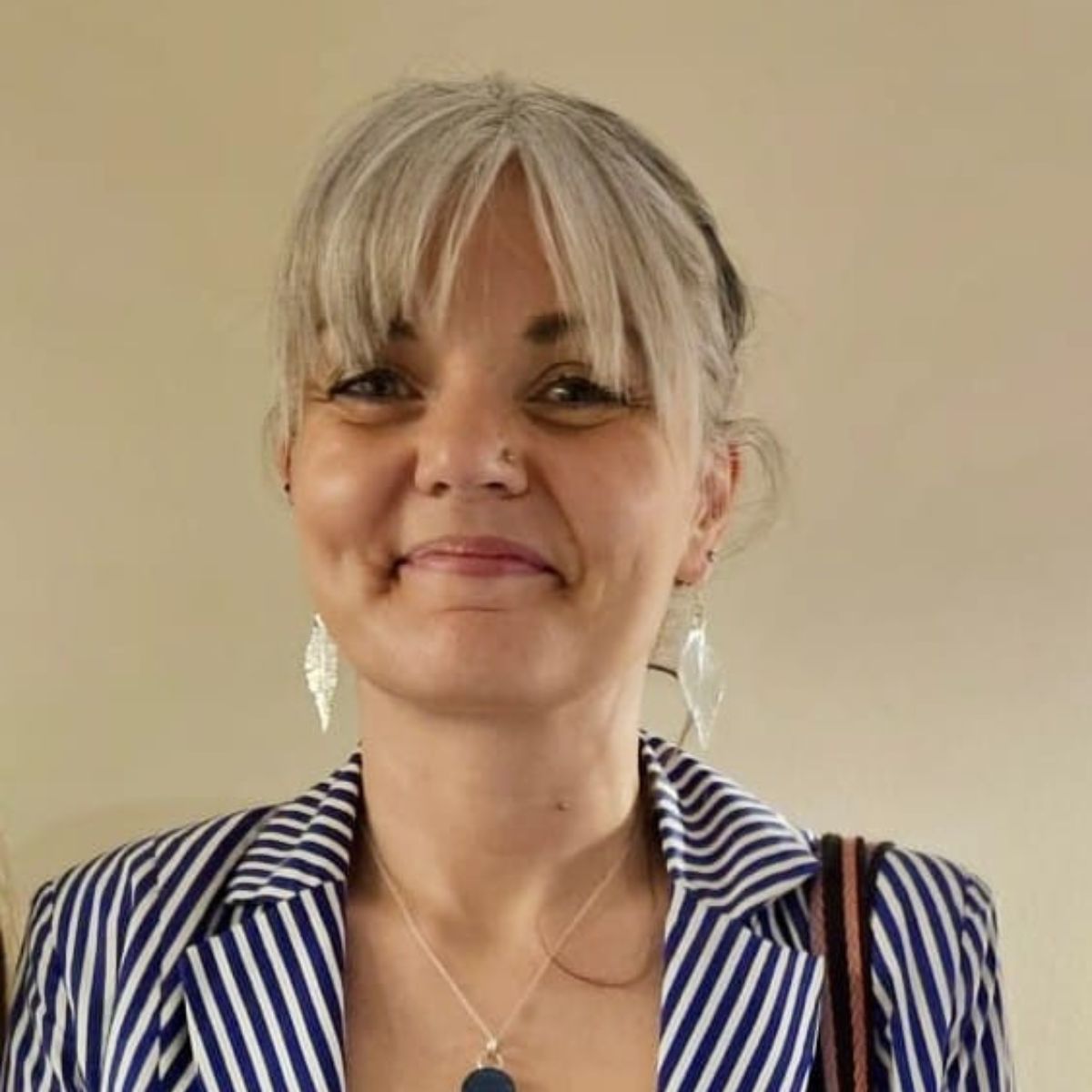
Annie Hampson is an award winning Midwife and Educator. With 22 years of professional experience, Annie practices to the full scope of Midwifery practice. Starting her career in the UK and then emigrating to Australia, she has applied and developed her midwifery expertise in a variety of positions.
Annie’s roles include working in continuity of care specialising in physiological birth, as well Team Leading in Birth Suite and Maternity Wards providing coordination and expertise in more complex maternity care. Annie has frequently backfilled leadership roles during her career including Midwifery Unit Manager and Clinical Midwife Consultant.
With decades of clinical experience, she moved in to midwifery education roles, developing and implementing a wide range of educational programs to enhance midwifery scope of practice, promote continuity of midwifery care, increase multidisciplinary collaboration and enhance outcomes for women and families. She has been recognised for her achievements, being named as Midwife of the Year for two consecutive years in 2024 and 2025.
With a passion for workplace wellbeing, nurturing emerging leaders and building capacity and resilience, Annie has completed comprehensive training in a variety of Clinical Supervision models, promoting reflection and growth in her colleagues
Marina Denton
Registered Nurse | Clinical Educator | Nursing Mentor
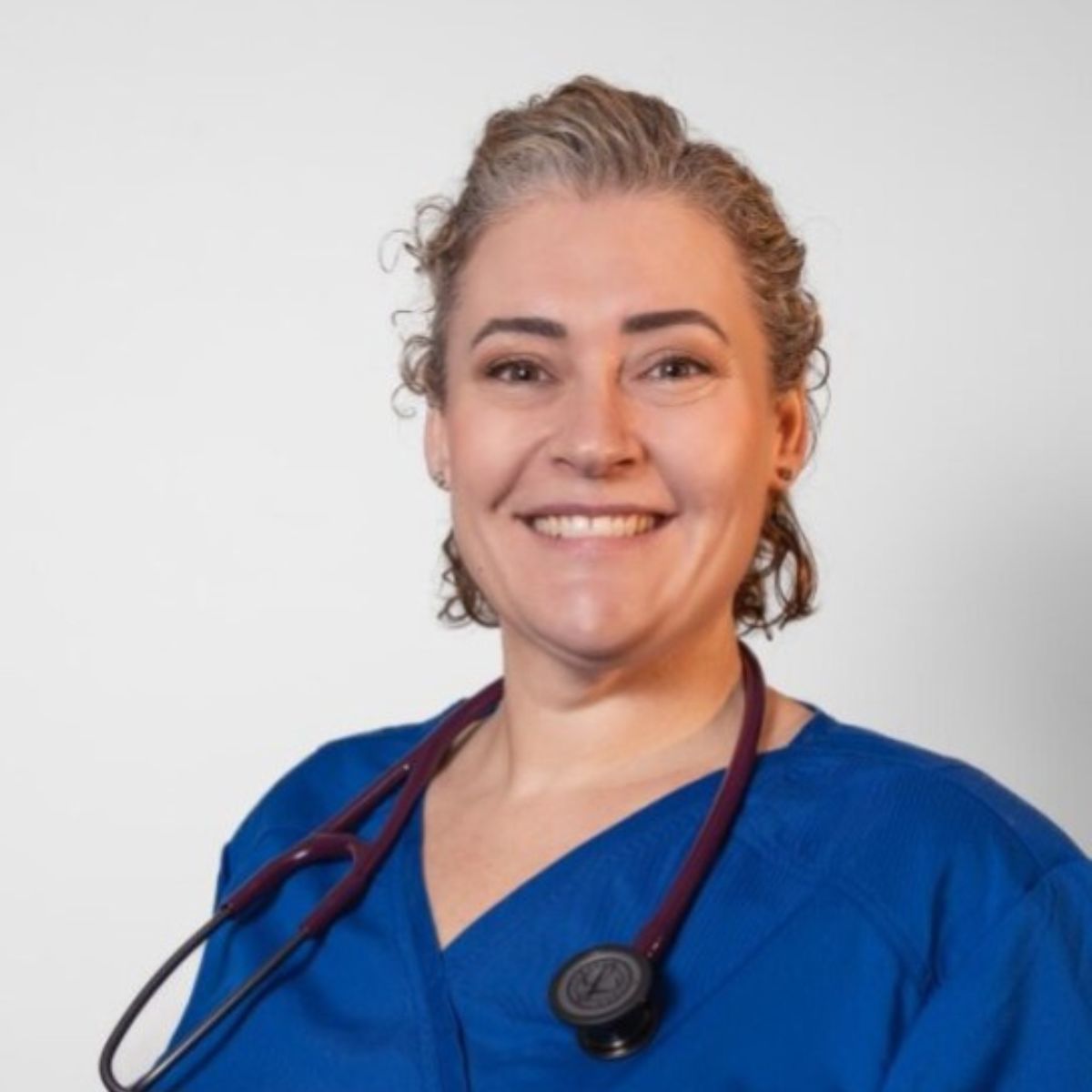
Marina Denton is a Registered Nurse with over 28 years of clinical experience spanning intensive care, acute care, and nurse education. She holds a Master of Nursing (Education), a Graduate Certificate in Critical Care (ICU), and a Certificate IV in Training and Assessment, underpinning a career built on both advanced clinical practice and a genuine commitment to developing the nurses around her. Marina has worked across high-acuity environments including ICU, outreach, and respiratory care at major Queensland Health facilities.
As a Nurse Educator within a busy tertiary hospital setting, Marina has designed and delivered education programs across clinical deterioration, invasive device management, NIV, telemetry, and simulation-based learning. She is known for building learning cultures in complex ward environments, working alongside clinical facilitators, nursing staff, and multidisciplinary leaders to lift capability, confidence, and standards of care. Her mentorship approach is practical, direct, and grounded in real clinical experience.
Marina is co-founder of Nurse Growth Academy, a nurse-led education business supporting internationally qualified nurses and midwives preparing for AHPRA registration through OSCE preparation and clinical skills development. She brings to her mentoring role a deep understanding of what it takes to navigate a new clinical system, communicate effectively under pressure, and demonstrate competence in an assessment environment. Marina is passionate about helping nurses from all backgrounds succeed and thrive in Australian clinical practice.
Highlights From The Blog

How to Become a Nurse Leader in Australia: Pathways, Programs, and What Actually Works
The Honest Question Behind This One
hen nurses ask how to become a nurse leader, they are usually asking something more specific than the question suggests. They are asking whether the pathway is realistic for someone like them. Whether their clinical experience is enough, or too specialized, or not senior enough. Whether they need a postgraduate degree they cannot afford. Whether they are already too old, or not old enough.
This article addresses those underlying questions with the honesty they deserve.
The pathway to nursing leadership in Australia is not a single road. It is a landscape with multiple entry points, multiple routes, and multiple forms of arrival. Understanding that landscape is the beginning of navigating it with intention.
What Nursing Leadership Actually Means in Australia
Nursing leadership in Australia operates at two distinct levels that are often conflated in career conversations.
The first is formal positional leadership: Nurse Unit Manager, Clinical Nurse Consultant, Director of Nursing, Chief Nursing Officer. These roles carry official authority, accountability for unit or organizational outcomes, and a clear employment structure.
The second is influence-based leadership: the clinical nurse who sets the standard for their team without a title, the educator who shapes the next generation’s practice, the mentor who determines whether junior nurses survive their first years. This form of leadership is less visible in career conversations but is equally real and equally developable.
Most nurses who want to become nurse leaders are seeking the first category. But the skills and credibility that make the first category sustainable are almost entirely built through the second.
The Formal Pathway: From RN to NUM
The typical formal pathway to a Nurse Unit Manager role in Australia moves through the following stages:
-
**Registered Nurse with minimum two to three years clinical experience in the relevant setting
-
**Senior or experienced RN designation, demonstrating clinical competence across the unit’s patient population
-
**Team Leader or In-Charge role, taking on shift coordination and initial people management responsibility
-
**Acting NUM or Associate NUM during leave periods or position vacancies, building formal management experience
-
**Application for substantive NUM role with portfolio of leadership evidence
The most variable element of this pathway is the timing. Some nurses move through all stages in three years. Others take ten. The determining factors are less about talent and more about opportunity, visibility, and strategic positioning within a specific workplace culture.
The Real Pathway: What Actually Gets You There
The formal stages above describe what happens. They do not describe what drives it. The nurses who advance into leadership most effectively share several characteristics that have less to do with qualifications and more to do with intentional professional development:
-
**They seek feedback actively rather than waiting for performance reviews
-
**They build genuine relationships with existing leaders and ask to be mentored
-
**They raise their hand for tasks that develop capability before they feel ready
-
**They invest in leadership development outside their organisation, not just within it
-
**They understand the difference between clinical competence and leadership credibility and develop both deliberately
The nurses who advance into leadership are rarely the most clinically expert nurses on the unit. They are the nurses who are most invested in becoming something beyond what they already are.
Leadership Skills You Need Before the Title
The most significant mistake aspiring nurse leaders make is waiting for the title before beginning to develop leadership competencies. The evidence on leadership transitions consistently shows that nurses who develop leadership skills before entering formal roles transition more successfully and sustainably than those who treat the role as the development opportunity.
The six foundational skills to develop before entering a formal leadership role are:
-
**Self-awareness: understanding your default responses, your triggers, and how you land with different personality types
-
**Feedback literacy: the ability to give and receive feedback without defensiveness or aggression
-
**Conflict navigation: the capacity to move toward difficult conversations rather than away from them
-
**Systems thinking: the ability to see the unit as an interconnected system rather than a series of individual tasks
-
**Clinical credibility maintenance: keeping your clinical skills current even as administrative demands increase
-
**Emotional regulation: managing your own stress response so it does not become your team’s problem
How to Get Leadership Experience When You Are Not a Leader Yet
Formal leadership experience is typically required before a formal leadership role is offered. This is the chicken-and-egg problem that stops many capable nurses from advancing. The practical solution is to build leadership evidence outside the title structure:
-
**Volunteer for quality improvement or policy review committees
-
**Take on preceptorship or mentoring roles for junior nurses or students
-
**Lead professional development sessions or education updates for your team
-
**Act as in-charge nurse during shifts and document these experiences explicitly
-
**Seek formal acting opportunities and use them as portfolio-building moments, not just additional workload
Formal Programs and What to Look For
Postgraduate qualifications in nursing leadership, management, or health administration are valued in Australian nursing leadership roles but are not universally required, particularly at NUM level.
When evaluating formal programs, the five questions that matter most are: Does it address the actual leadership challenges of Australian nursing rather than generic management theory? Does it include mentoring and structured support rather than just content delivery? Does it connect you with a community of peer nurse leaders? Does it account for burnout awareness and sustainable leadership practice? Does it provide recognizable CPD accreditation within the Australian nursing framework?
Programs that answer yes to all five are rare. They are worth the investment.
Why Most Programs Miss the Point
The majority of nursing leadership programs currently available in Australia share a common failure: they teach management without addressing leadership identity.
They cover budgets, performance management, policy compliance, and HR processes. These are necessary. They are not sufficient.
What they consistently omit is the interior work of leadership: who you need to become, not just what you need to know. The self-awareness work. The identity expansion from clinical expert to leader. The burnout literacy that allows a nurse leader to protect their team and themselves. The coaching and mentoring skills that determine whether the leader’s presence makes people around them better.
The Hive approach to leadership development begins with the interior before the operational. Because leaders who do not know themselves eventually become their own worst problem.
How to Know You Are Ready
You are ready to apply for a leadership role when you can answer yes to three questions: Do I have genuine evidence of influencing people and outcomes beyond my individual patient load? Do I understand the difference between what I want from leadership and what leadership will actually require of me? Am I investing in my own development, not waiting for someone else to develop me?
Readiness is not the absence of uncertainty. Every effective nurse leader began their first formal role uncertain. Readiness is the presence of intention, evidence, and investment.
Frequently Asked Questions
Do I need a postgraduate degree to become a NUM in Australia?
Not in most cases. While postgraduate qualifications are valued and increasingly required for senior leadership positions, the majority of NUM appointments in Australia are accessible with a strong clinical background, demonstrable leadership experience, and well-presented leadership evidence. A postgraduate qualification strengthens an application but rarely substitutes for the experiential evidence.
How long does it take to become a nurse leader?
The range is wide. Some nurses are in NUM roles within four years of graduation. Others take fifteen or more years. The timeline is less about time and more about deliberate development, opportunity seeking, and strategic positioning.
Can introverted nurses become good nurse leaders?
Unequivocally yes. The evidence on leadership effectiveness does not favor extroversion. Many of the most effective nursing leaders are introverted thinkers who lead through depth, consistency, and considered judgment. The leadership development process looks different for introverted nurses, but the destination is equally accessible.
Join The Hive Nursing Development email community to receive leadership program details, early access information, and ongoing career development resources. Visitthehivedevelopment.com.au

The Hive Nursing Development © 2026 | About Us | Contact Us | Privacy Policy | Terms & Conditions